FREE WHITE PAPER

Heading

Date
This is some text inside of a div block.
FREE WHITE PAPER

Heading 1

Heading 2

Heading 3

Heading 4

Heading 5
Heading 6

Lorem ipsum dolor sit amet, consectetur adipiscing elit, sed do eiusmod tempor incididunt ut labore et dolore magna aliqua. Ut enim ad minim veniam, quis nostrud exercitation ullamco laboris nisi ut aliquip ex ea commodo consequat. Duis aute irure dolor in reprehenderit in voluptate velit esse cillum dolore eu fugiat nulla pariatur.

Block quote

Ordered list

  1. Item 1
  2. Item 2
  3. Item 3

Unordered list

  • Item A
  • Item B
  • Item C

Text link

Bold text

Emphasis

Superscript

Subscript

Heading 1

Heading 2

Heading 3

Heading 4

Heading 5
Heading 6

Lorem ipsum dolor sit amet, consectetur adipiscing elit, sed do eiusmod tempor incididunt ut labore et dolore magna aliqua. Ut enim ad minim veniam, quis nostrud exercitation ullamco laboris nisi ut aliquip ex ea commodo consequat. Duis aute irure dolor in reprehenderit in voluptate velit esse cillum dolore eu fugiat nulla pariatur.

Block quote

Ordered list

  1. Item 1
  2. Item 2
  3. Item 3

Unordered list

  • Item A
  • Item B
  • Item C

Text link

Bold text

Emphasis

Superscript

Subscript

Download Resource
Thank you! Your submission has been received!
Oops! Something went wrong while submitting the form.

Inspecting SLA 3D printed parts with CT scans

Edited by
Date
August 1, 2022
Introduction to SLA

Stereolithography (SLA) was patented in 1986 and became the first commercial 3D printing technology. SLA 3D printers use an ultraviolet laser to cure liquid polymer resin into solid parts, layer by layer.

SLA printing offers excellent surface finish and detail, but like every 3D printing process, it requires some specialized knowledge to achieve best results. An industrial CT scanner can quickly find common flaws in SLA 3D prints, including some that are outwardly invisible.

Explore this scan in Voyager by creating a free account.
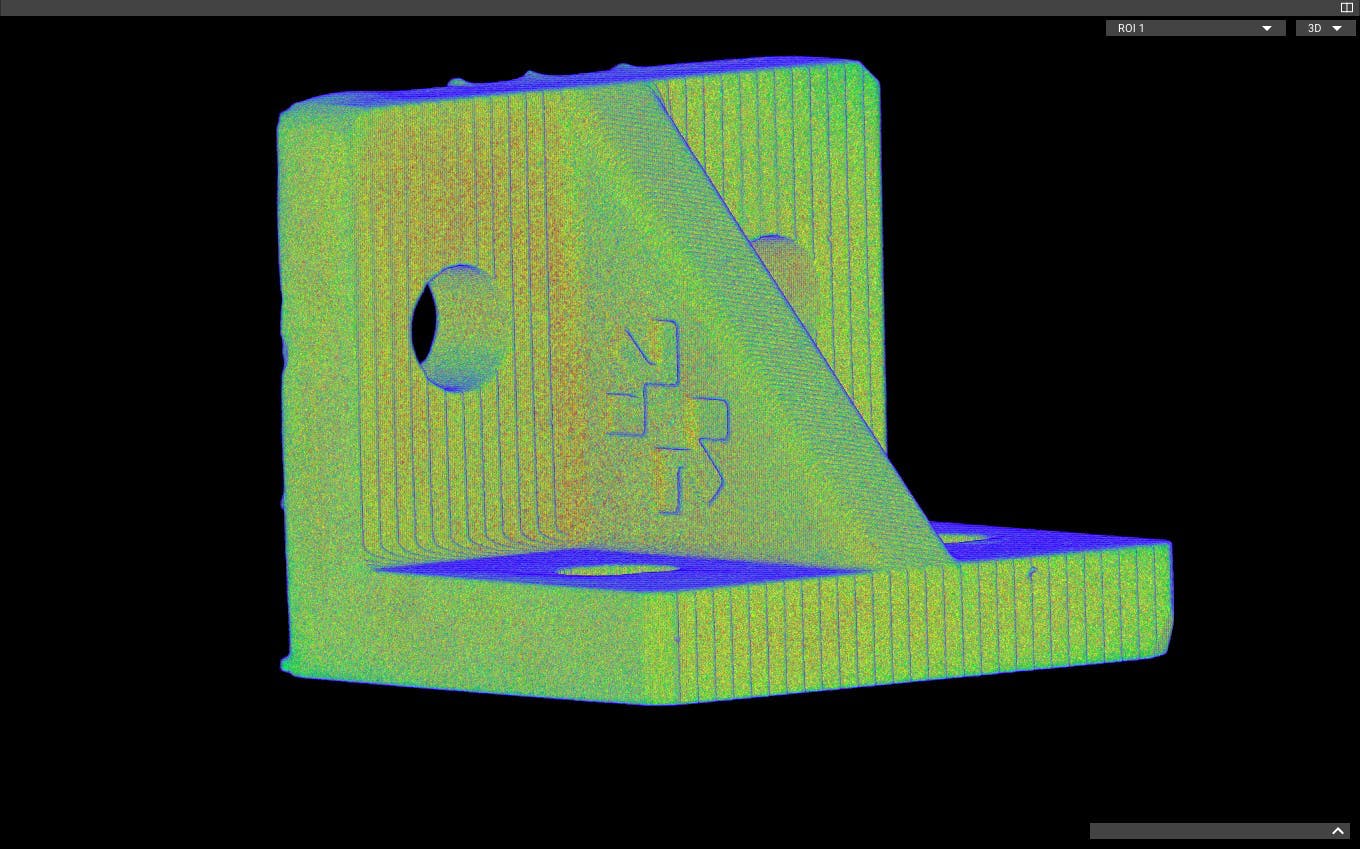
Supports needed

Many parts require support structures when they're fabricated on an SLA 3D printer. These supports stabilize the part and brace overhanging areas during printing, and they're removed and discarded during post-processing.

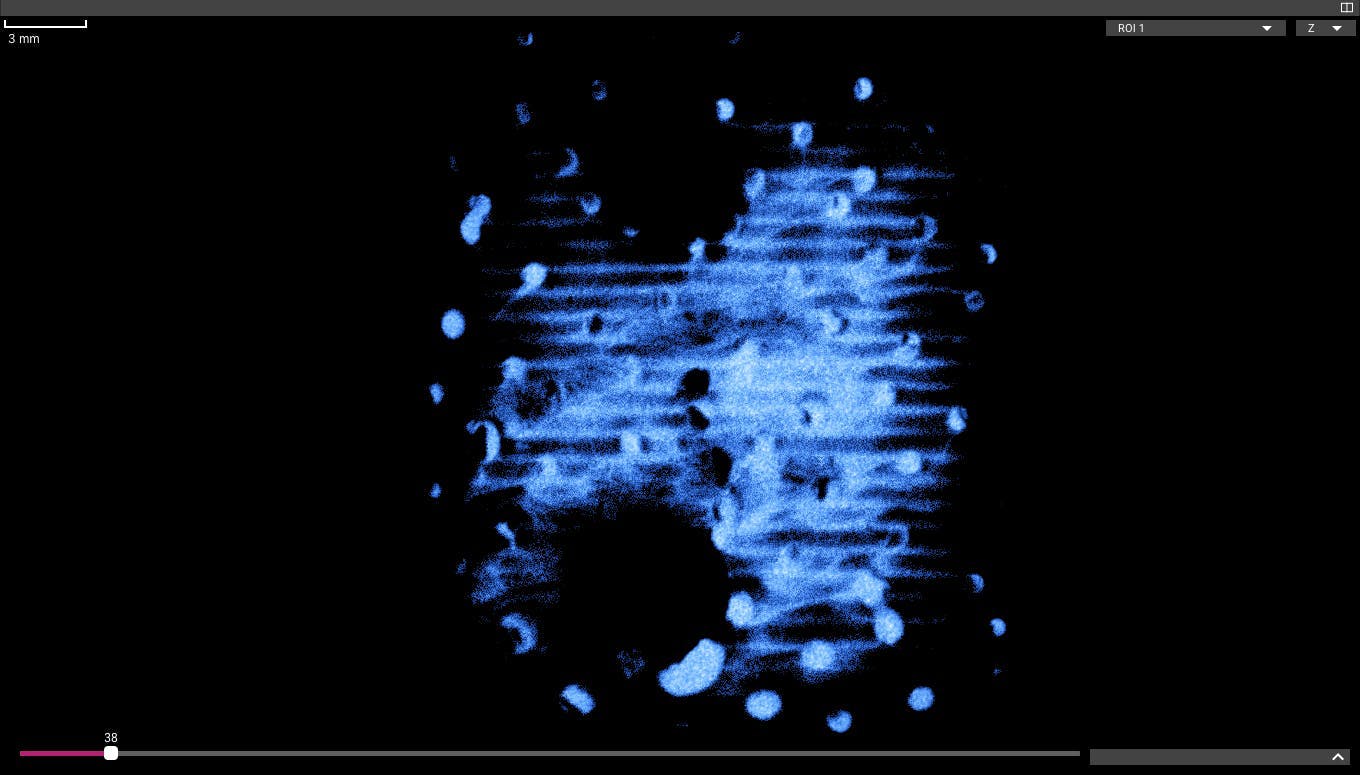
Small supports in internal features are easy to miss during post-processing, but they're easy to detect with a CT scan.

Support marks

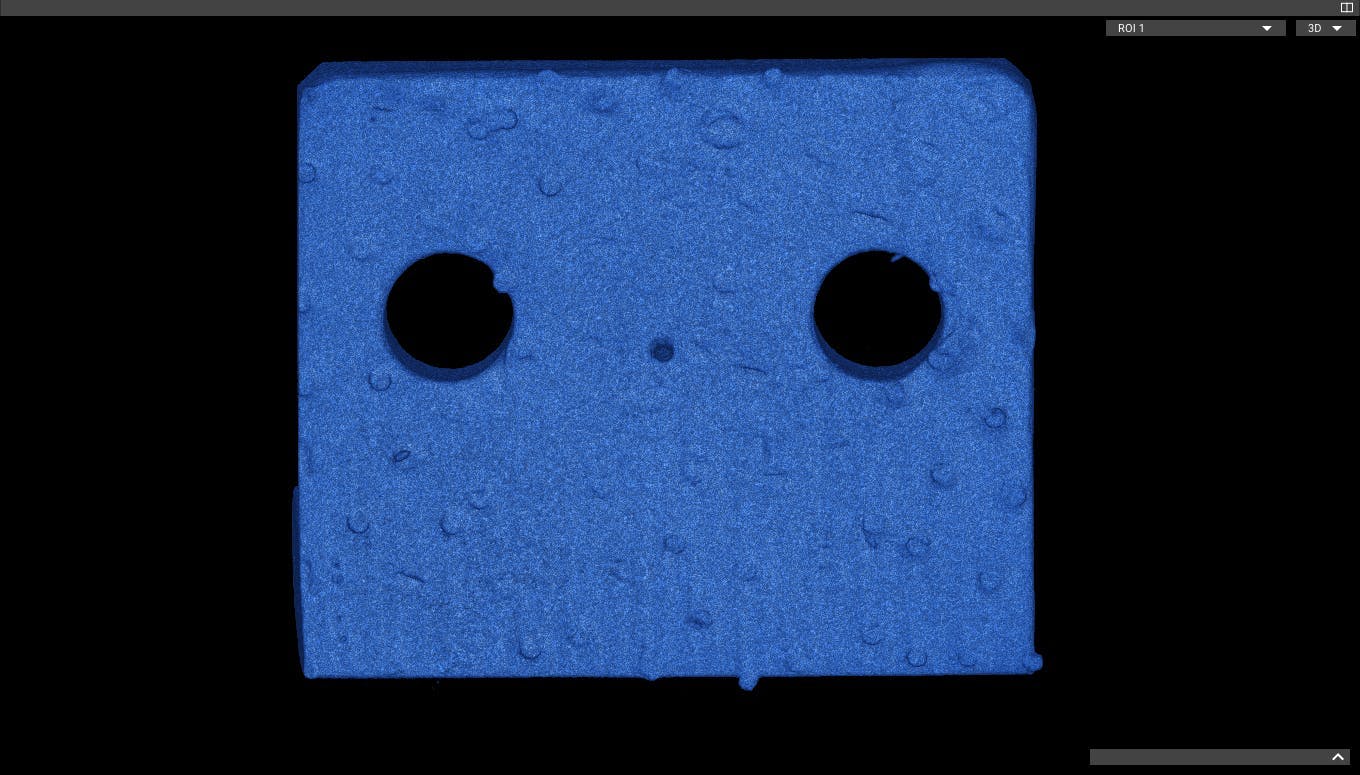
Supports can leave visual marks on printed parts. Parts are usually oriented during printing to keep supports away from critical surfaces, but sometimes they're unavoidable. In this case support marks may need to be polished away during post-processing.

The process of removing supports can involve significant force, introducing small cracks in the part and breaking details.

Trapped resin

After printing with an SLA printer, parts are rinsed in a solvent to remove uncured resin, then flooded with UV light to fully cure the part. Removing uncured resin from fine internal details can be a painstaking manual process, and any resin left on or in the part will be cured during the final post-curing step.

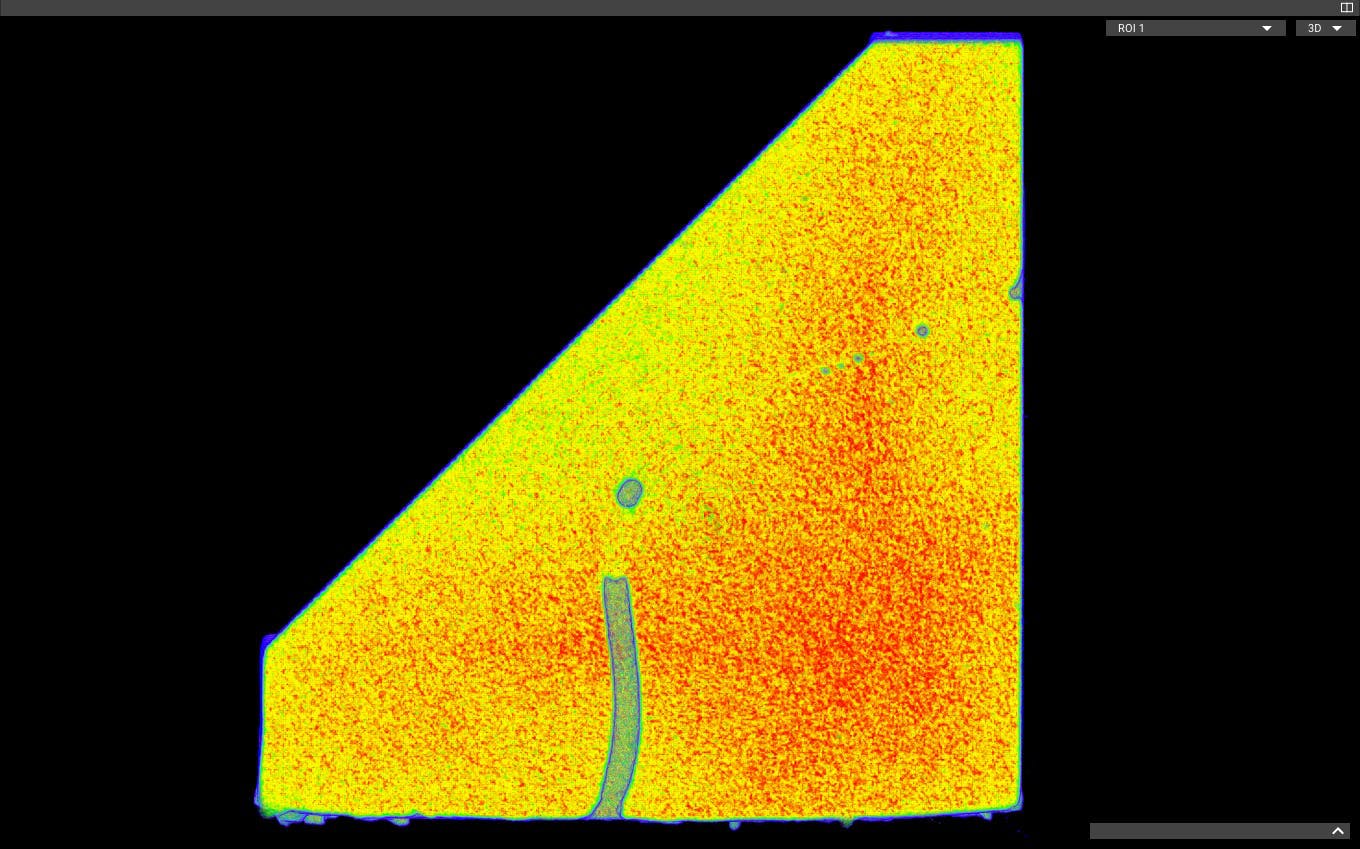
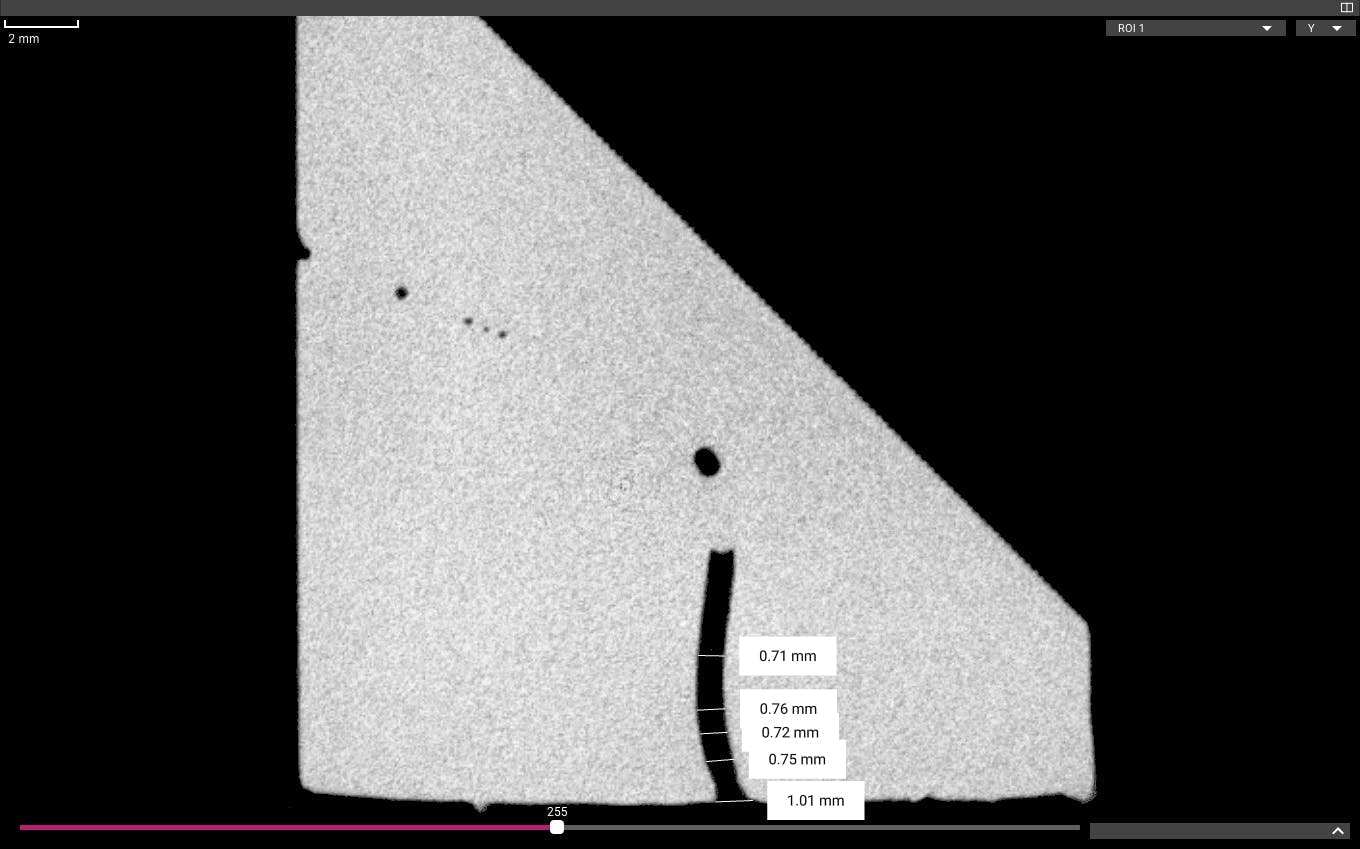
In this case, uncured resin was not completely flushed out of the internal channel during the rinse stage, leaving it to narrow the channel in some areas and block it completely in others. The blockage is outwardly invisible, but easy to find with a CT scan.

Other Articles in the Series
  • Main page: Inspect 3D printed parts with industrial CT
  • Fused Deposition Modeling (FDM)
  • Selective Laser Sintering (SLS)
  • Multi Jet Fusion (MJF)
  • Direct Metal Laser Sintering (DMLS)

‍

Resource
Article

Inspecting SLA 3D printed parts with CT scans

August 1, 2022
Resource

Inspecting SLA 3D printed parts with CT scans

Introduction to SLA

Stereolithography (SLA) was patented in 1986 and became the first commercial 3D printing technology. SLA 3D printers use an ultraviolet laser to cure liquid polymer resin into solid parts, layer by layer.

SLA printing offers excellent surface finish and detail, but like every 3D printing process, it requires some specialized knowledge to achieve best results. An industrial CT scanner can quickly find common flaws in SLA 3D prints, including some that are outwardly invisible.

Explore this scan in Voyager by creating a free account.
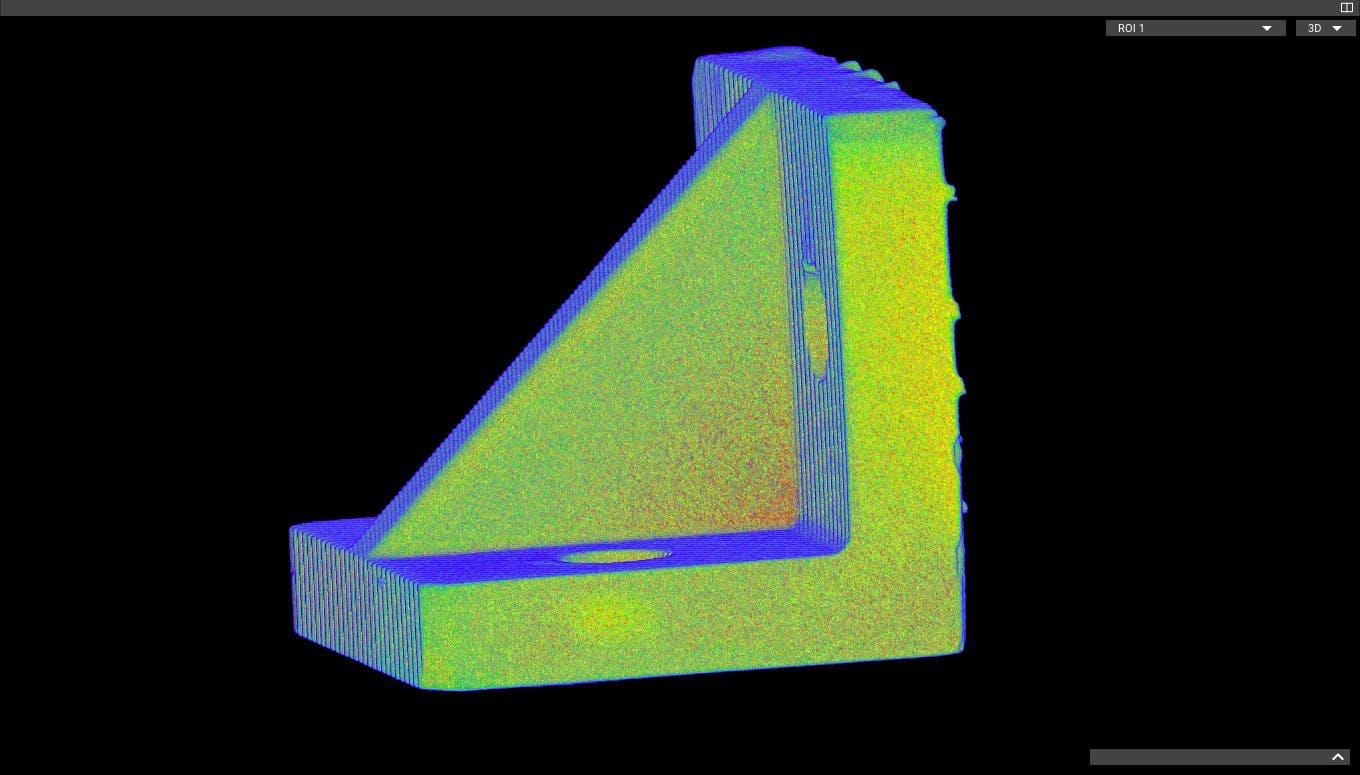
Supports needed

Many parts require support structures when they're fabricated on an SLA 3D printer. These supports stabilize the part and brace overhanging areas during printing, and they're removed and discarded during post-processing.

Small supports in internal features are easy to miss during post-processing, but they're easy to detect with a CT scan.
Support marks

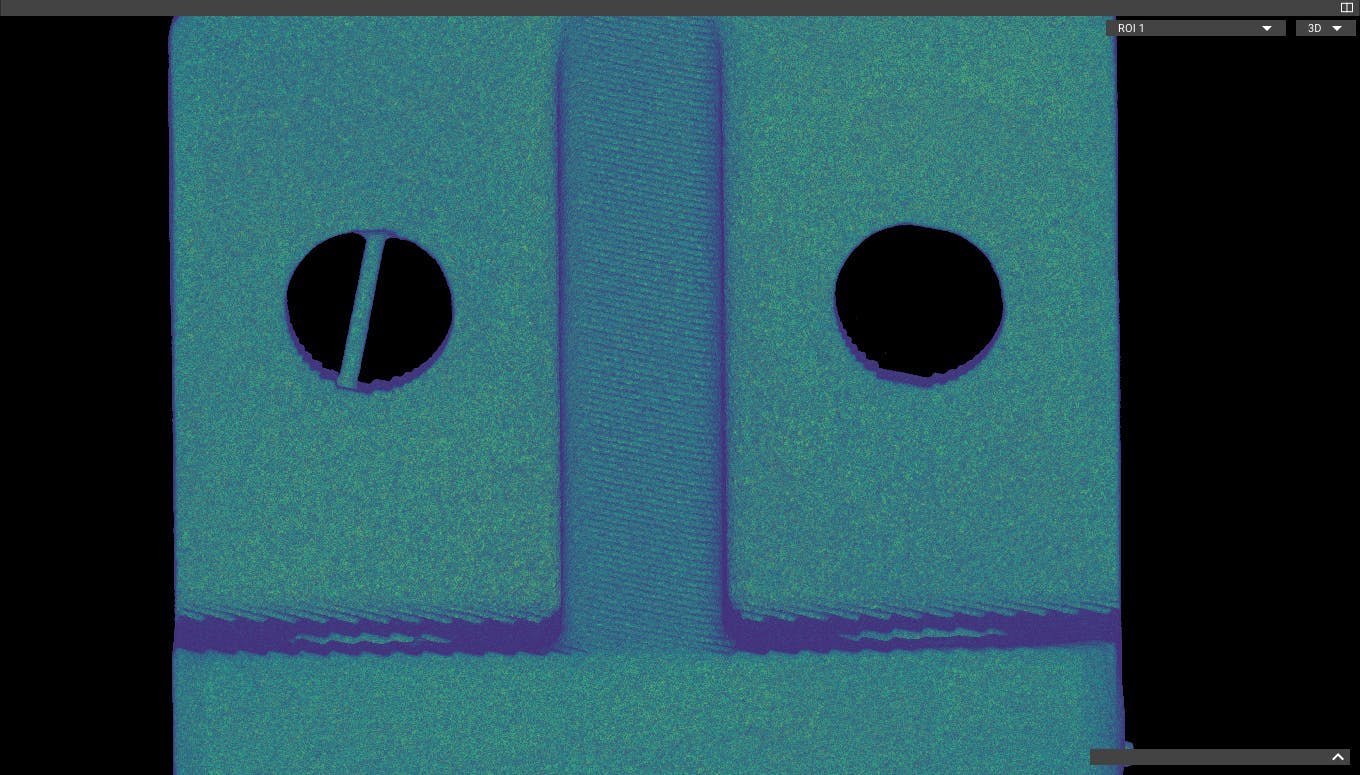
Supports can leave visual marks on printed parts. Parts are usually oriented during printing to keep supports away from critical surfaces, but sometimes they're unavoidable. In this case support marks may need to be polished away during post-processing.

The process of removing supports can involve significant force, introducing small cracks in the part and breaking details.
Trapped resin

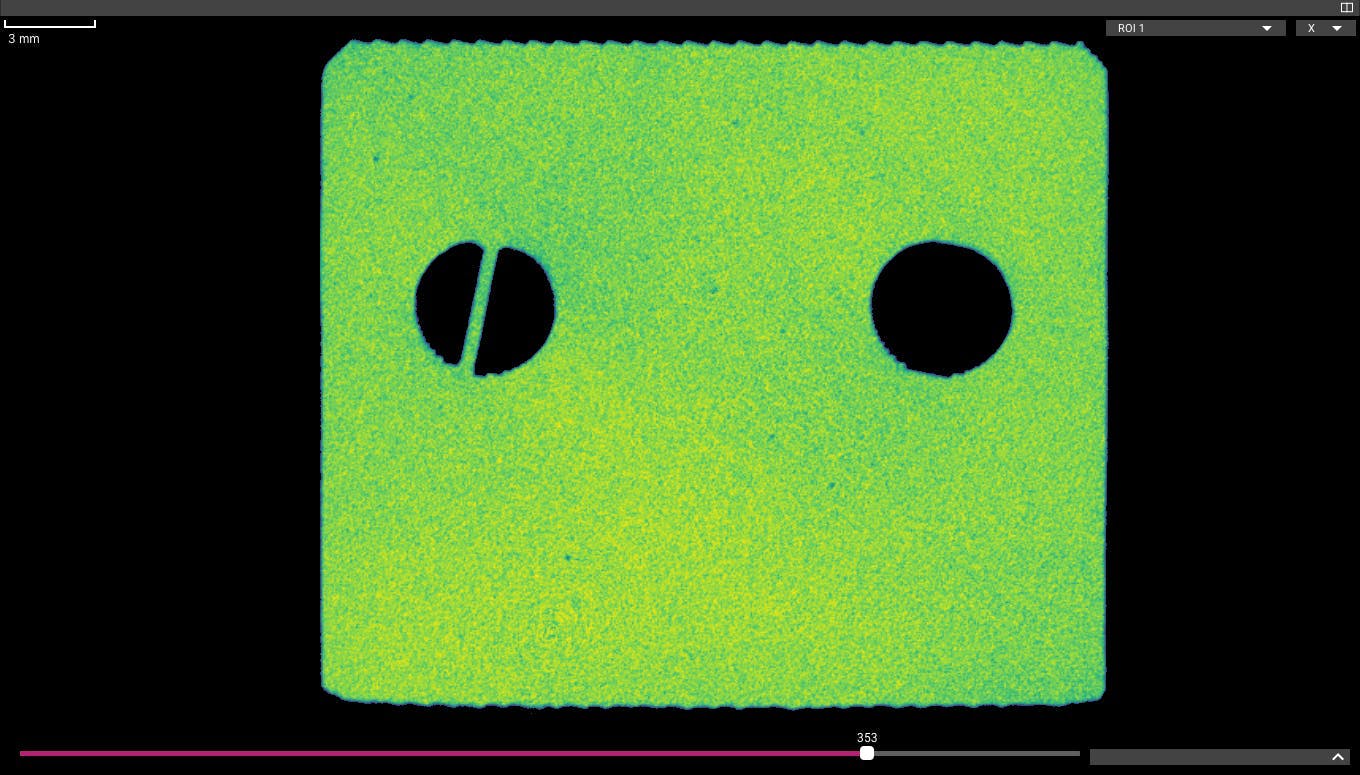
After printing with an SLA printer, parts are rinsed in a solvent to remove uncured resin, then flooded with UV light to fully cure the part. Removing uncured resin from fine internal details can be a painstaking manual process, and any resin left on or in the part will be cured during the final post-curing step.

In this case, uncured resin was not completely flushed out of the internal channel during the rinse stage, leaving it to narrow the channel in some areas and block it completely in others. The blockage is outwardly invisible, but easy to find with a CT scan.
Other Articles in the Series
  • Main page: Inspect 3D printed parts with industrial CT
  • Fused Deposition Modeling (FDM)
  • Selective Laser Sintering (SLS)
  • Multi Jet Fusion (MJF)
  • Direct Metal Laser Sintering (DMLS)

‍

Voyager Inspection Workflows
Introduction to Voyager
Introduction to Neptune
Introduction to Industrial CT
Introducing Mars for 100% Production Inspection
Advancing Automotive Inspection: Industrial CT for Better Outcomes
Introducing Neptune Performance and Triton Performance
Manufacturers Know Quality Costs Money. Most Don't Know How Much.
The Real Cost of a Product Recall and How to Prevent One
What Industrial CT Scanning Does for Manufacturing Quality
Explore more posts
Direkt zum Hauptinhalt
Mars: In-line arrayed X-ray system >
Platform
Branchen
Alle Branchen
Aerospace and Defense
Agriculture and Food
Athletic Equipment
Automotive
Batteries
Consumer Packaged Goods
Electronics
Medical Devices
Applications
Ressourcen
Whitepapers
Ressourcen
Webinare
Blog
Insights from lumafield
Go/No-Go
Manufacturing podcast
First Article
Editorial Publication
Firma
Über
Karriere
Drücken
Events
Starten Sie Voyager
Vertrieb kontaktieren
Speisekarte
ProdukteBranchen
Branchen
Alle Branchen
Medical Devices
Electronics
Consumer Packaged Goods
Automotive
Athletic Equipment
Batteries
Agriculture and Food
Aerospace and Defense
Applications
Ressourcen
Ressourcen
Whitepapers
101. OKTOBER
Webinars
Erster Artikel
Go/No-Go Podcast
First Article
Firma
Firma
Über
Karriere
Drücken
Events
Vertrieb kontaktieren
Starten Sie Voyager
© 2000 Lumafield. All Rights Reserved.
den Weg ändern
die Welt macht
alles
Branchen
Aerospace and Defense
Agriculture and Food
Athletic Equipment
Automotive
Batteries
Consumer Packaged Goods
Electronics
Medical Devices
Alle Branchen
Anwendungen
Assembly Verification
Competitive Benchmarking and Analysis
Defect Detection
Design Verification and Validation
Dimensional Measurement
Failure Analysis
First Article Inspection (FAI)
Material Characterization
Non-Destructive Testing (NDT)
Quality Assurance and Control (QA & QC)
Reverse Engineering
Supplier Qualification
All Applications
Produkte
NeptunTritonVoyagerMarsAtlas
Ressourcen
LernenErster ArtikelWhitepapersEreignisseWebinareUnterstützungFallstudien101. OKTOBERBlog der Ingenieure
Firma
EinloggenÜberKarriereDrückenBlogKontakt

Melde dich für unseren Newsletter an

info@lumafield.com
DatenschutzInformationssicherheitVereinbarung über Bereitstellungsdienste
© 2000 Lumafield. All Rights Reserved.