Trusted by leading consumer goods manufacturers




One event can cost more than the entire inspection program.
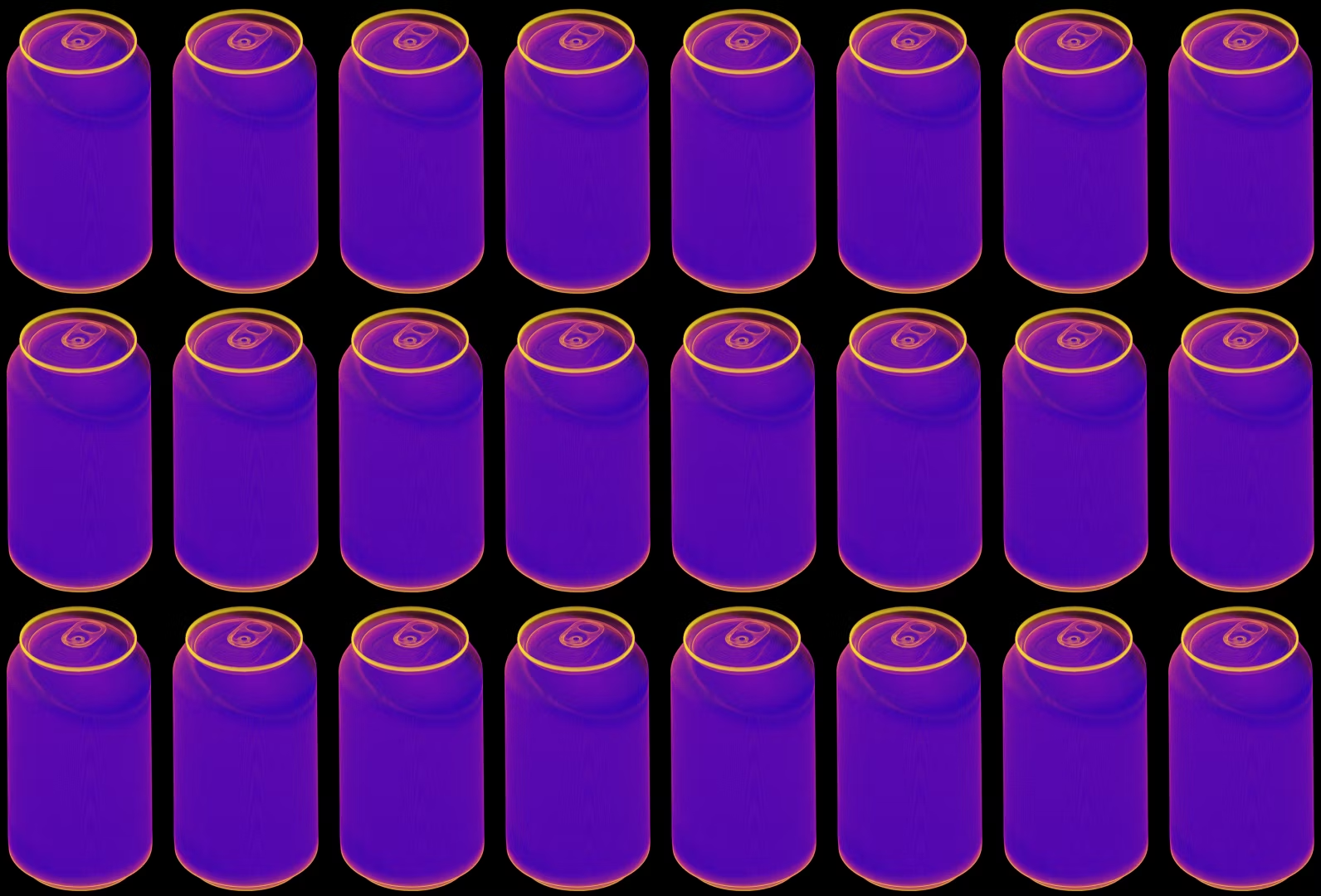
Consumer goods run at a scale that changes the arithmetic on quality. A seal that fails at a rate of 1 in 10K looks like a rounding error until you are running 50M units a year. Then it’s 5K failures, each one a potential complaint, return, or product hold that costs more than any inspection program. A single packaging quality event can run to hundreds of thousands of dollars. Inspection investment is a fraction of that exposure.
What changes with Lumafield is the quality of the evidence. Sampling and end-of-line visual checks tell you something went wrong. Lumafield tells you where, when, and why.
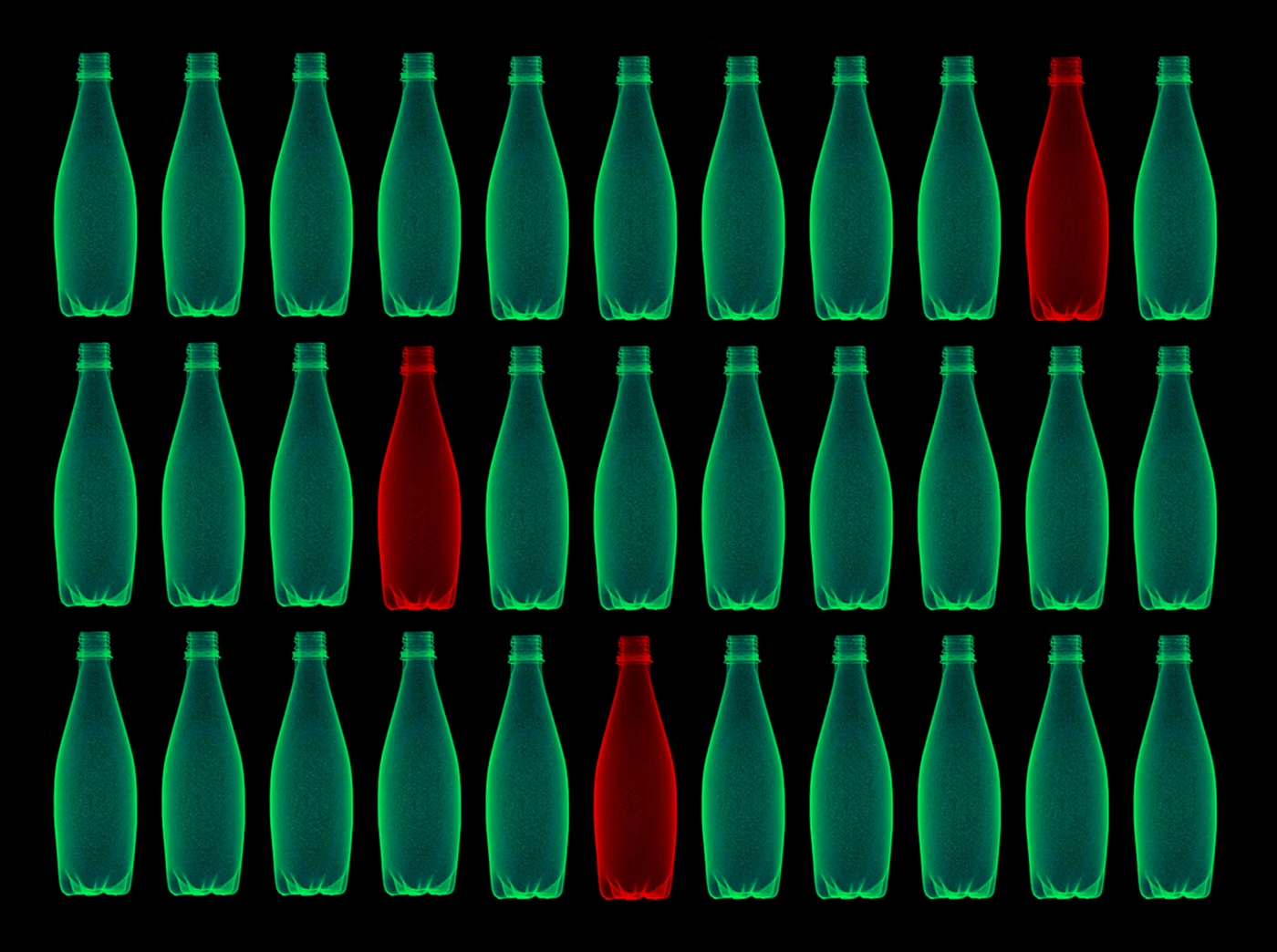
The failure modes that matter in CPG.
What rigorous quality looks like in practice.
L'Oréal saved 4 months on a single packaging development program
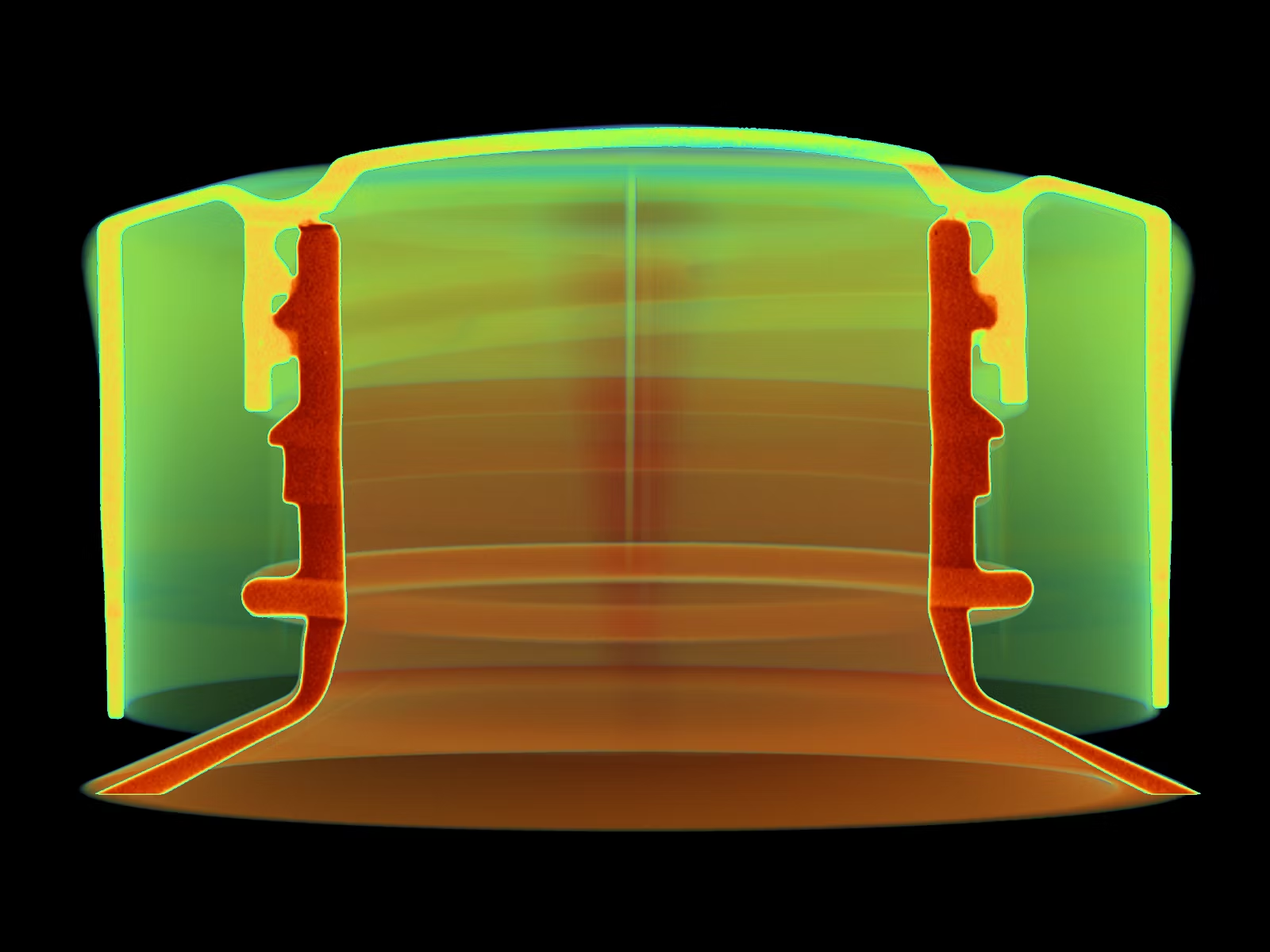
L'Oréal's Packaging Qualification Lab uses Lumafield CT toqualify new designs and suppliers across the Group's globalbrand portfolio. In one NPD program, a bottle and cap assembly was leaking after inspection, but every individual component passed dimensional checks. A CT scan found the cause in seconds: a 100-micron indentation inside the bottle's neck, invisible to a plug gauge and visible in the first scan. The team used that finding to iterate the design directly, bypassing months of further tooling cycles.

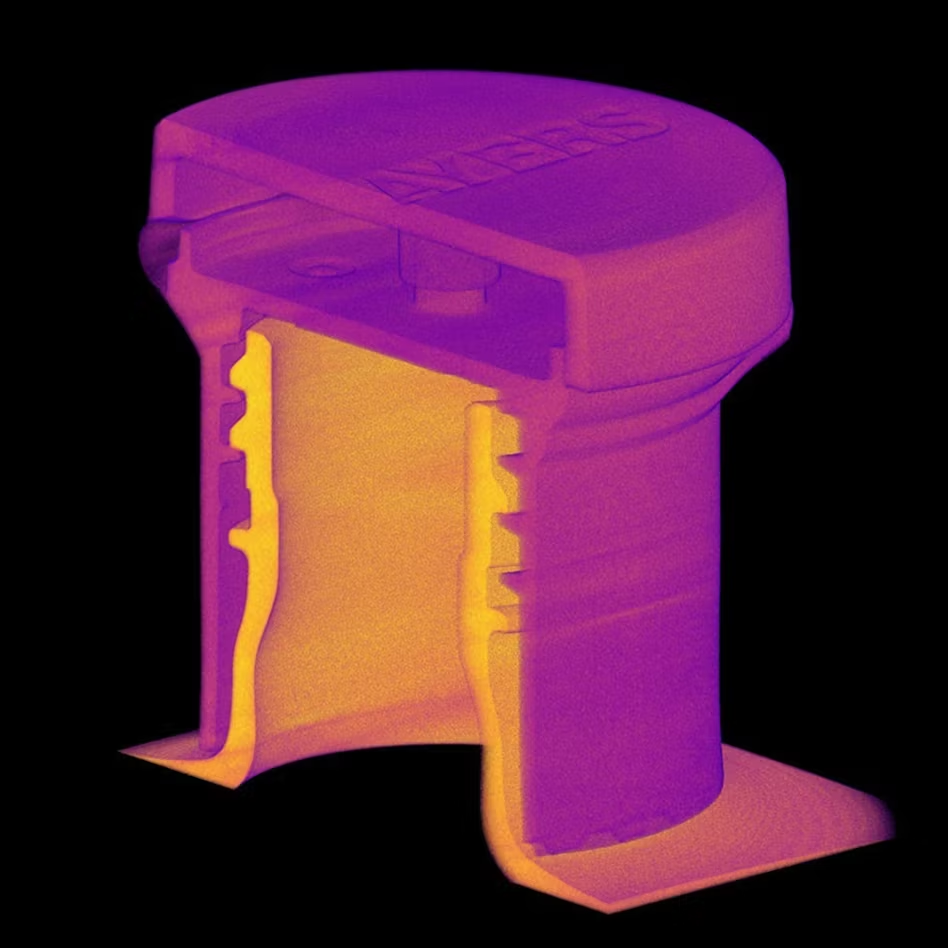
500k
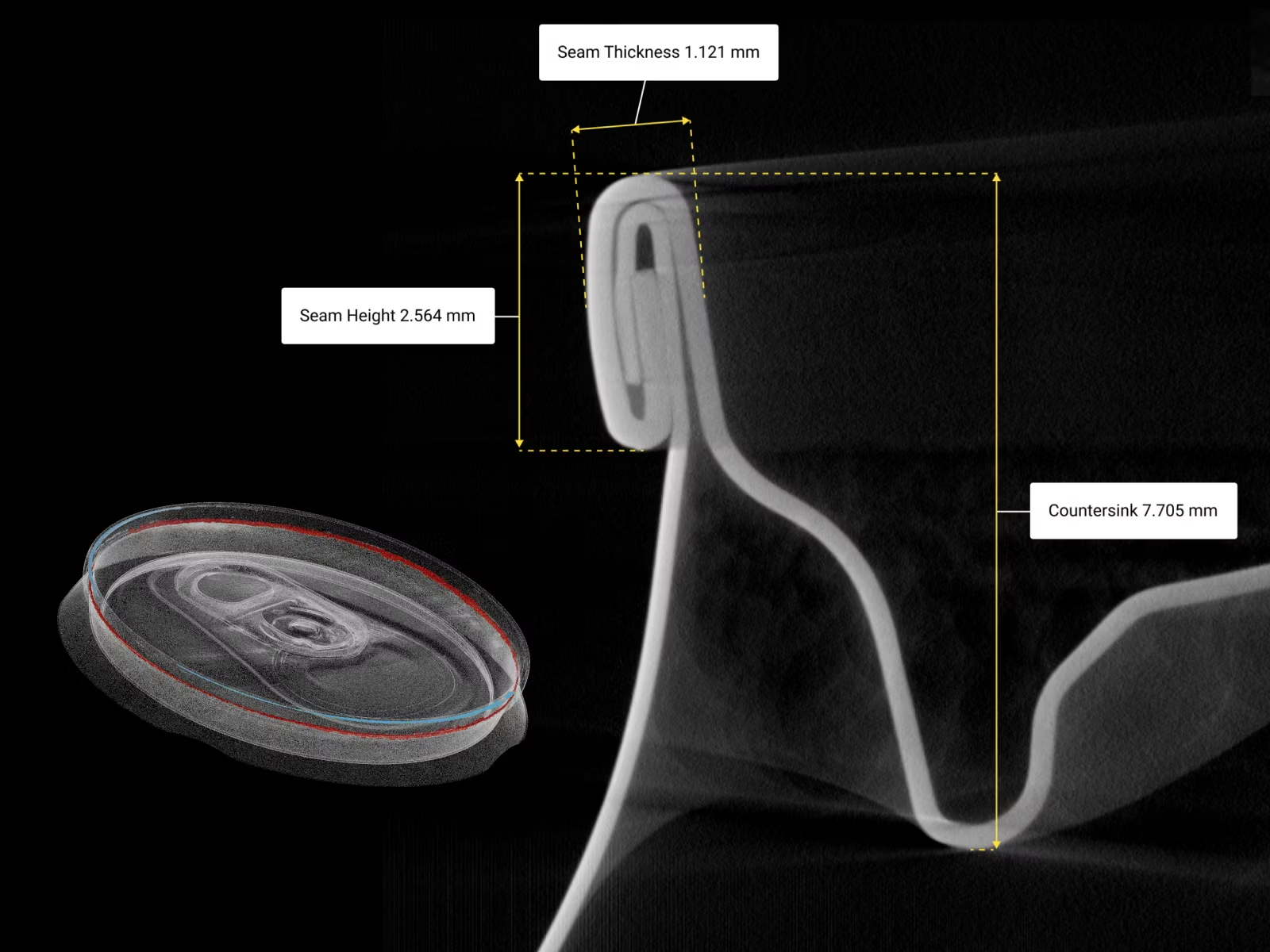
The standard process for can seam inspection requires destructive testing every four hours per line, consumes 90 minutes of labor per shift, and still completes only about half of required checks. After one $500,000 loss event, the business case for a multi-site automated inspection program was clear.
3 weeks → 3 days
During a lightweighting exercise, a design change caused a pull-test failure that no conventional method could explain, with a 3-week wait for outsourced CT results. With Lumafield in-house, the team went from failed test to root cause in 3 days and iterated the design before committing to tooling.
$425K
This manufacturer previously outsourced CT at a 14-day average turnaround; bringing inspection in-house reduced that cycle to approximately one hour. At 500 planned scans per year, the avoided outsource cost totals an estimated $425,000 annually.
From the production line to the design lab, in one platform.
Neptune
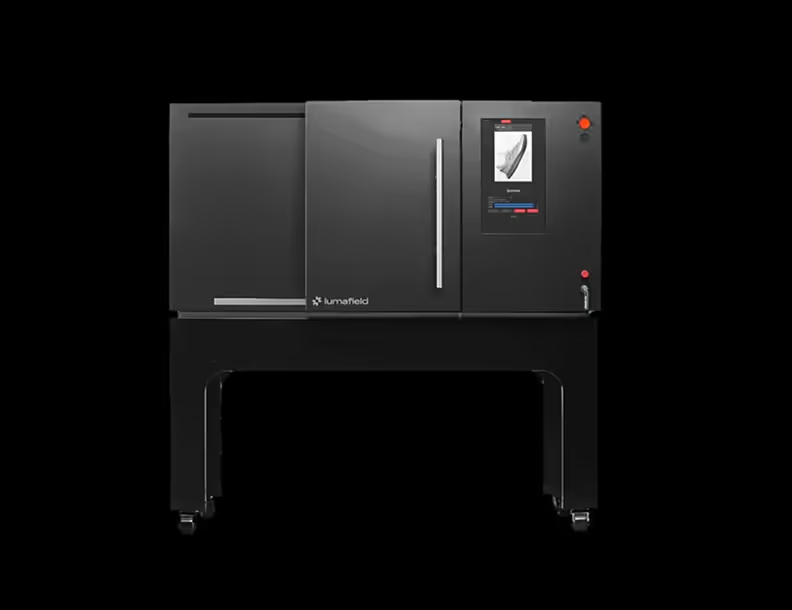
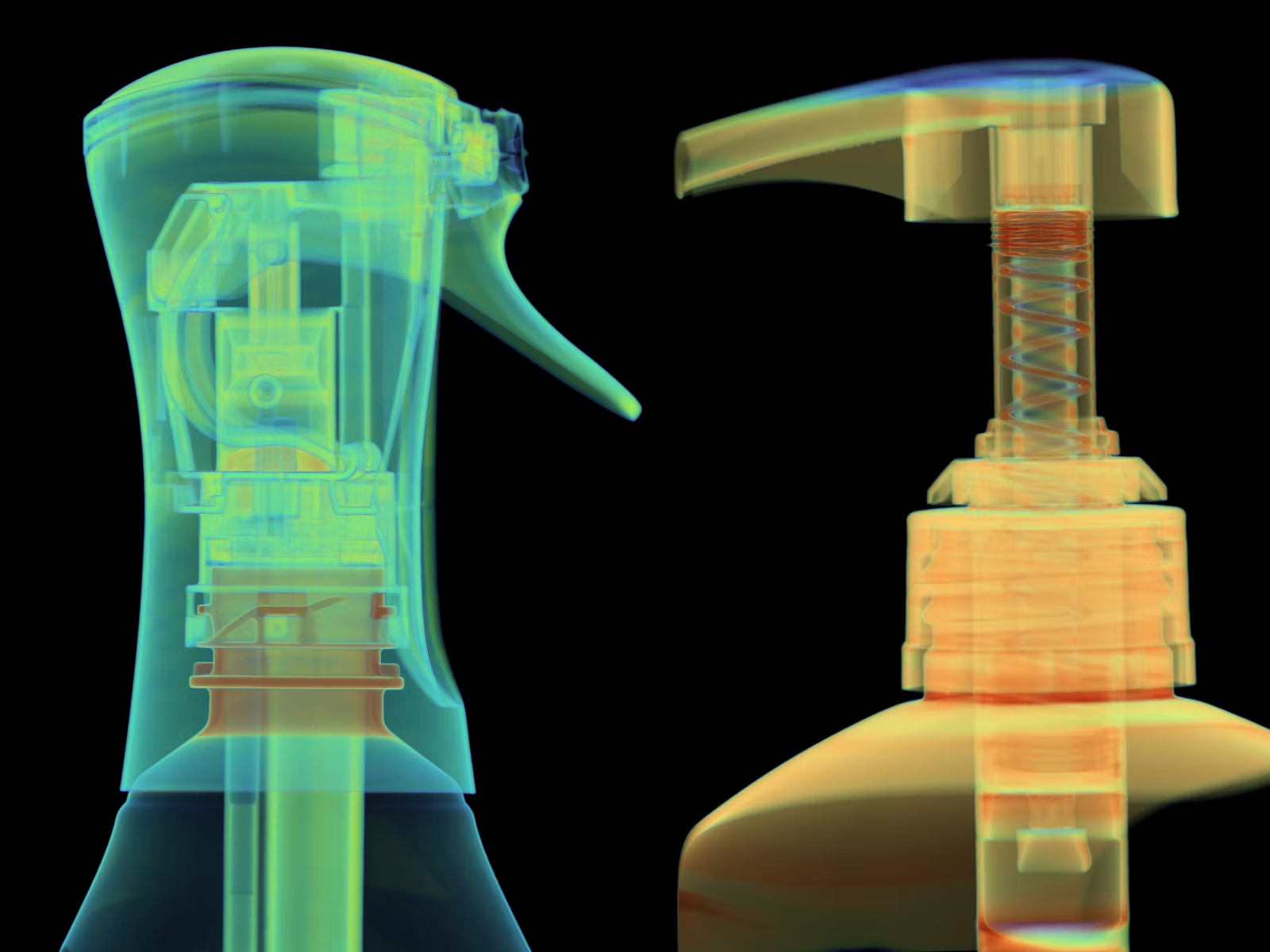
Neptune gives R&D and quality engineering teams the resolution to interrogate internal geometry on dispensing components, packaging construction, and precision assemblies, on demand, in-house, the same day a question arises. No shipping parts to an external lab or waiting on results to make a launch decision.
Voyager
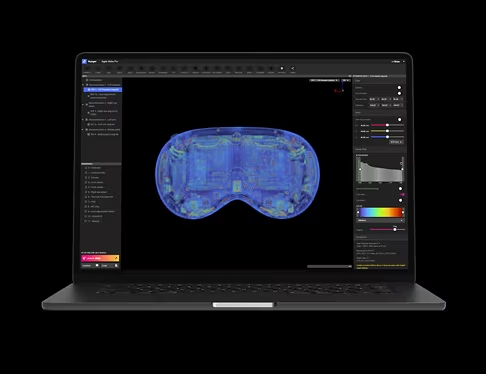
Voyager puts every scan in a shared, searchable platform that engineers, quality professionals, and supplier partners can access from any site. Standardized inspection workflows run consistently across global plants. Findings flow into PLM, QMS, and MES environments rather than into email threads and exported slide decks.
Triton
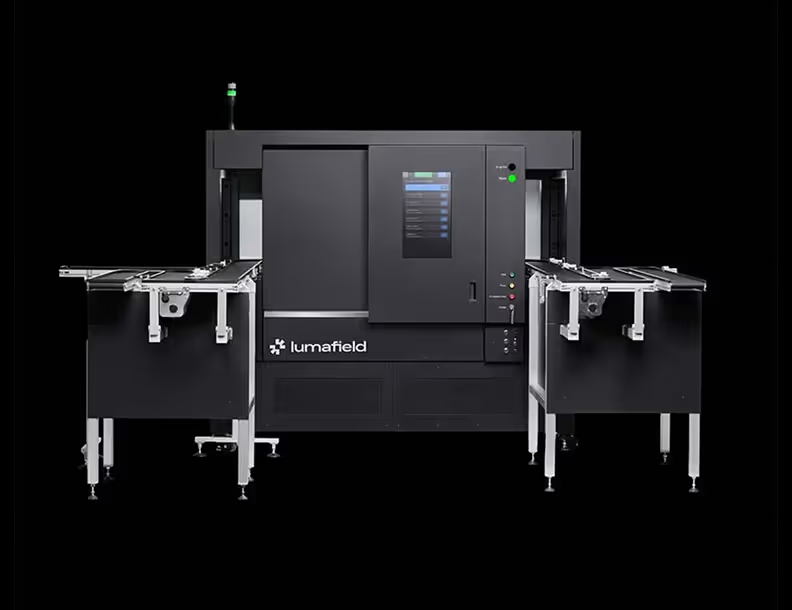
Triton brings high-throughput CT to new product introduction and supplier qualification. Thread engagement, mold variation, and internal geometry can be validated at volume before tooling is committed or supplier lots are accepted. The cost of finding a problem in qualification is a fraction of finding it in production.
Mars
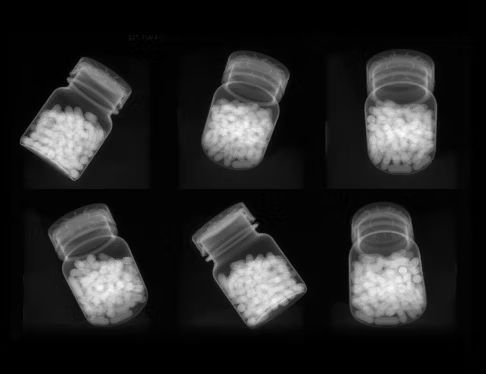
Mars delivers real-time pass/fail for every unit on the line at up to 5 parts per second, fast enough for closures, caps, and packaging components at full production throughput. Seal integrity, dimensional conformance, and component presence are verified continuously. Problems stop at the line, not at the customer.
Discover. Diagnose. Deliver.
Every Lumafield deployment follows the same logic: find what others miss, understand it completely, and act on it before the next run begins.
Find what visual inspection misses.
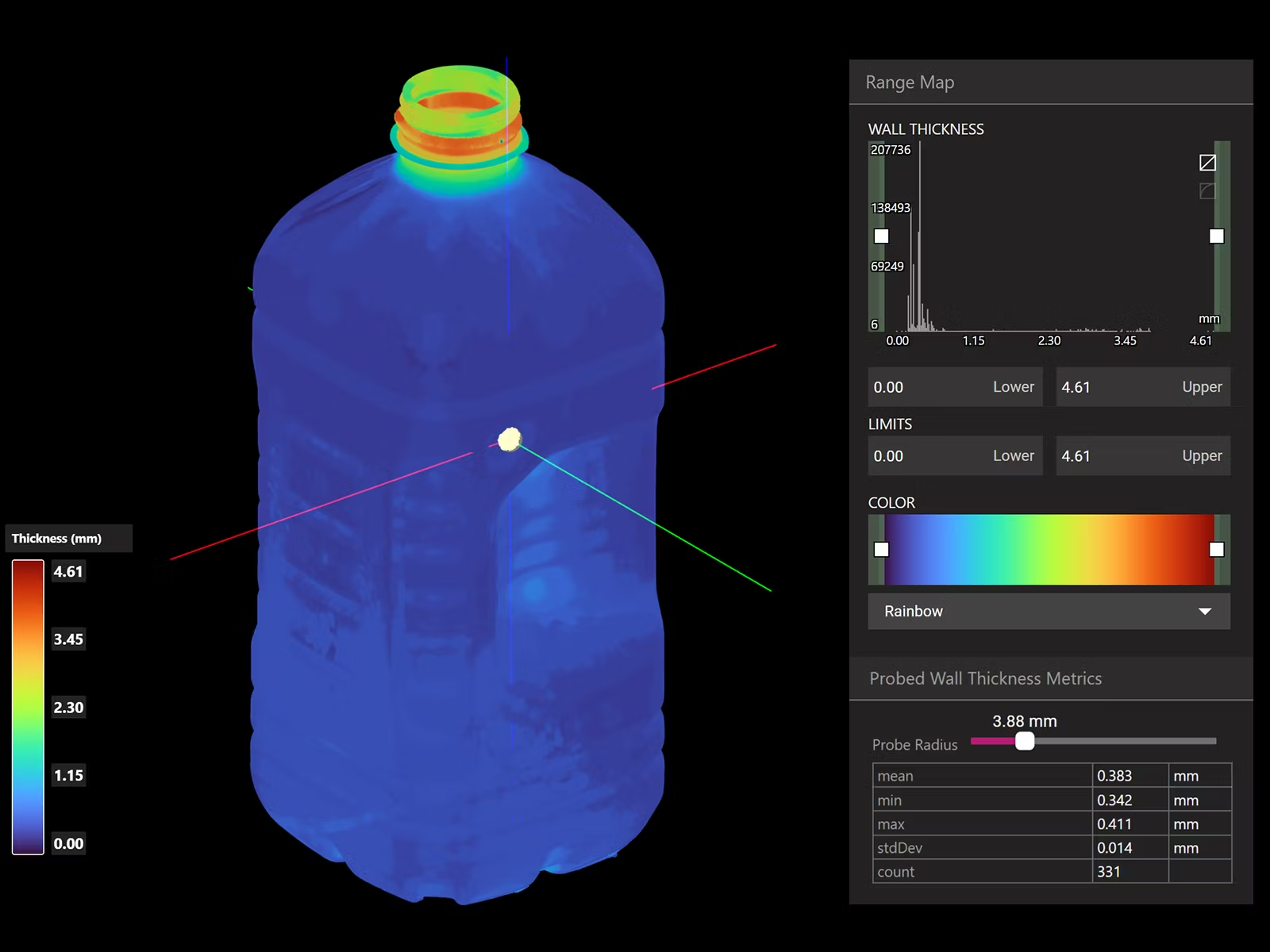
Inline X-ray and CT inspection surface seal failures, dimensional variation, and internal defects that aren't reachable from the outside. Every unit at production speed, or every lot at qualification, with the specificity to acton what you find rather than just know it's there.
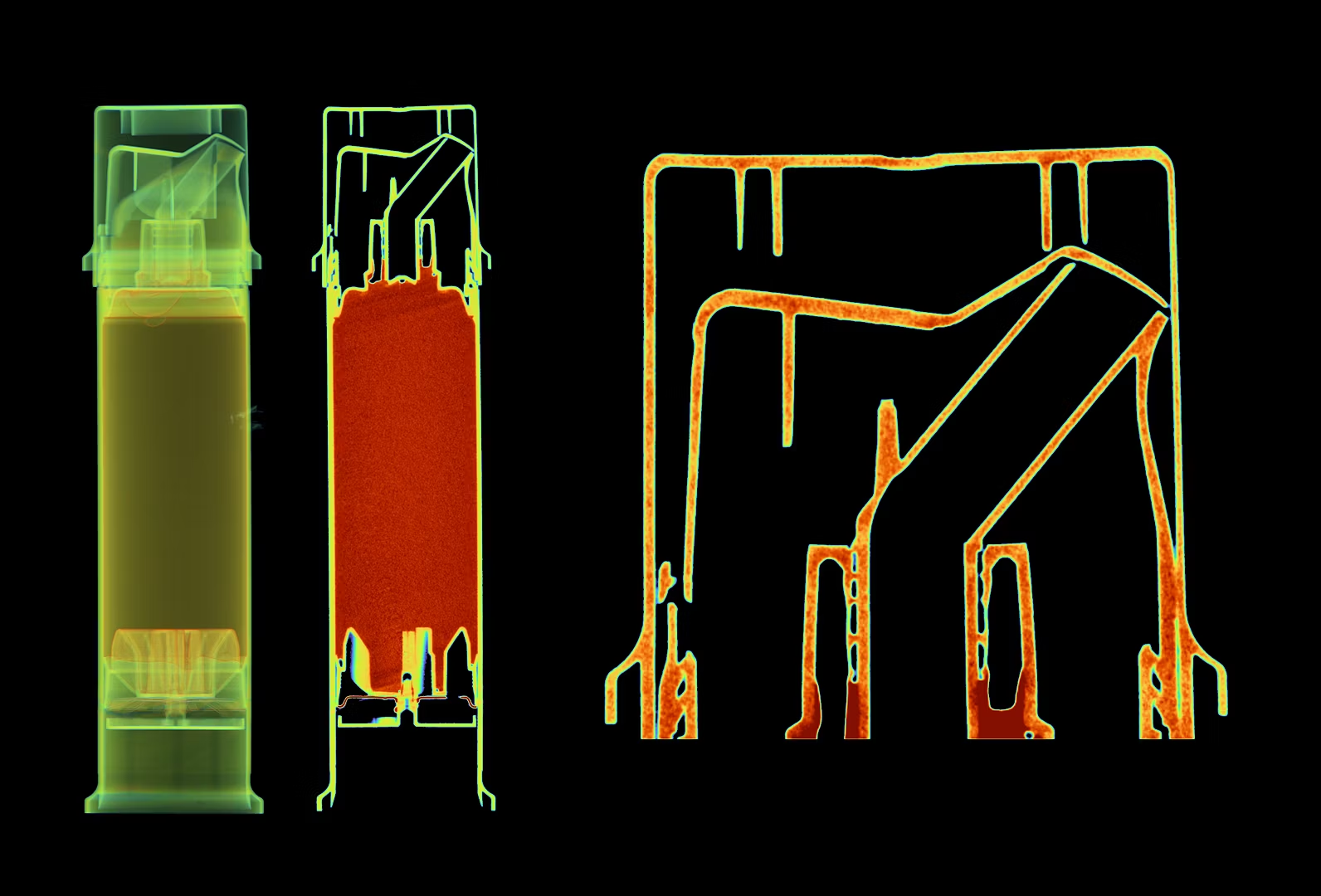
Solve the problem
Voyager links inspection evidence toprocess context so engineers can tracea failure upstream: to the mold, thesupplier lot, the line parameter, theseamer head. You start with what failed, then root cause to when it started andhow to fix it.
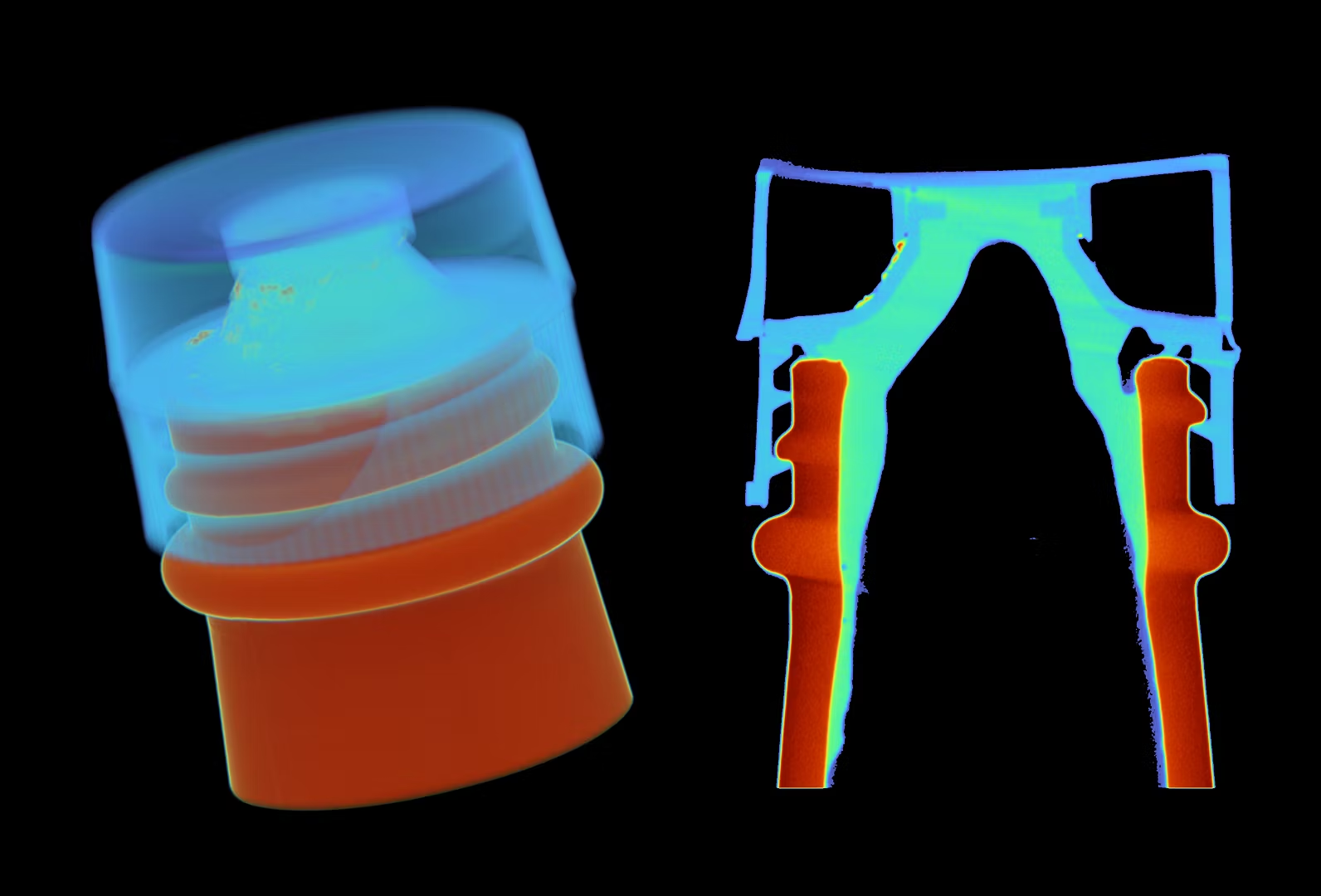
Ship the product
Findings flow into corrective action,process change, and supplier feedbackthrough PLM, QMS, and MES. Complete visibility leads to better outcomes on subsequent production runs.