




Lumafield's CT platform gives Tesla engineers and quality teams non-destructive visibility into battery cells and modules, drive unit components, structural castings, and assemblies — from the FA lab through inline production inspection.

Using Voyager, engineers can comprehensively assess cathode edge alignment, winding consistency, and internal anomalies in cylindrical and prismatic cells — and track quality trends across suppliers and production batches.
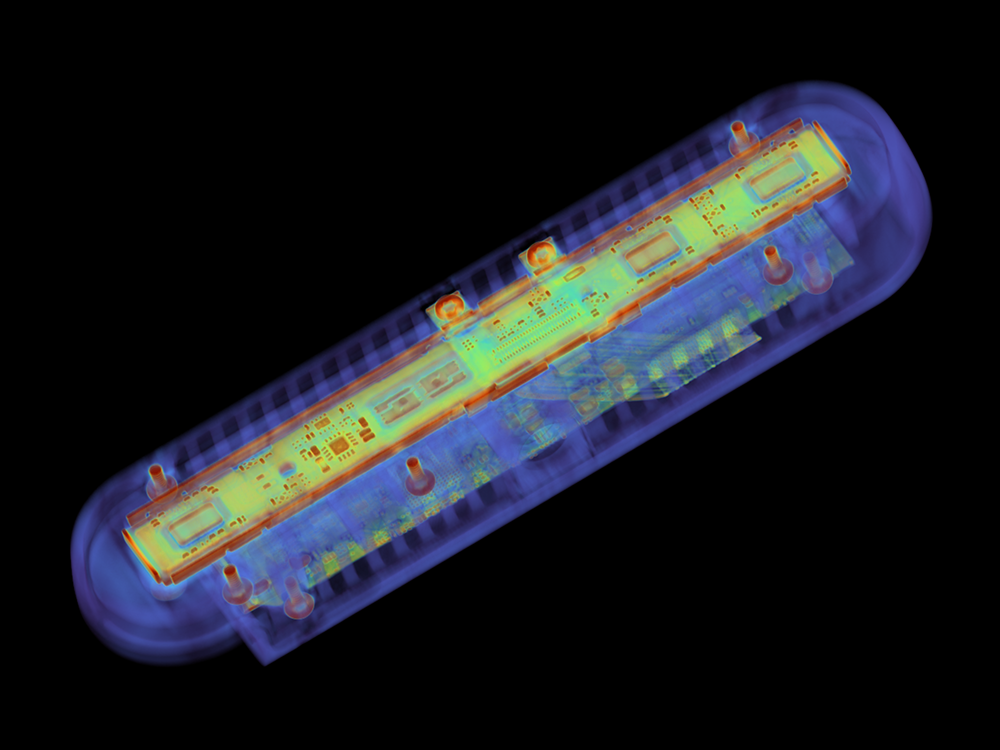
Voyager streamlines inspection of complex electromechanical assemblies — actuator housings, joint mechanisms, and motor components — allowing engineers to verify internal geometry, bearing seating, and structural integrity without disassembly.
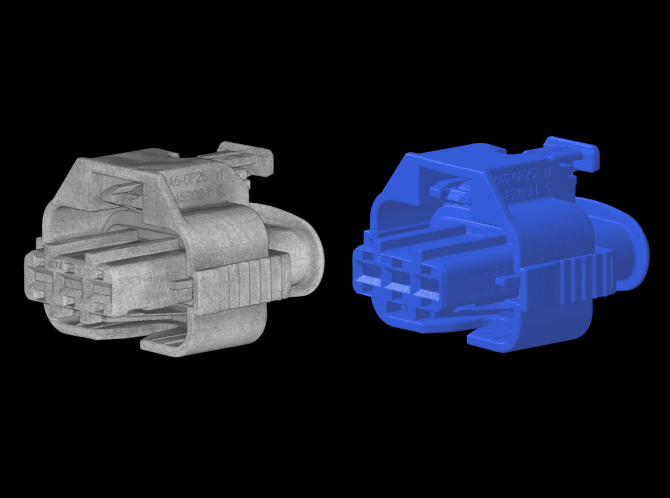
Voyager enables rapid Assembly Verification across high-voltage and signal connectors, checking terminal seating, wire crimp quality, and connector housing integrity — catching defects that visual inspection and electrical testing alone cannot detect.
Verify cathode alignment, electrode winding uniformity, and internal geometry across incoming cell shipments from multiple suppliers. Catch lot-to-lot variation and process drift before cells are integrated into modules or packs.
Track internal geometry, weld quality, and assembly consistency across batches, shifts, and facilities over time. Catch gradual deviations in production processes before they cross tolerance limits and generate escapes or recalls.
Compare assemblies and components across contract manufacturers and tier-1 suppliers. Identify tooling shortcuts, material substitutions, and forming differences between facilities, shifts, and production runs — before they reach the assembly line.
Verify weld quality, porosity, and internal geometry in structural battery pack enclosures and large-format die castings — including Tesla's single-piece Giga Castings — non-destructively and at production scale.
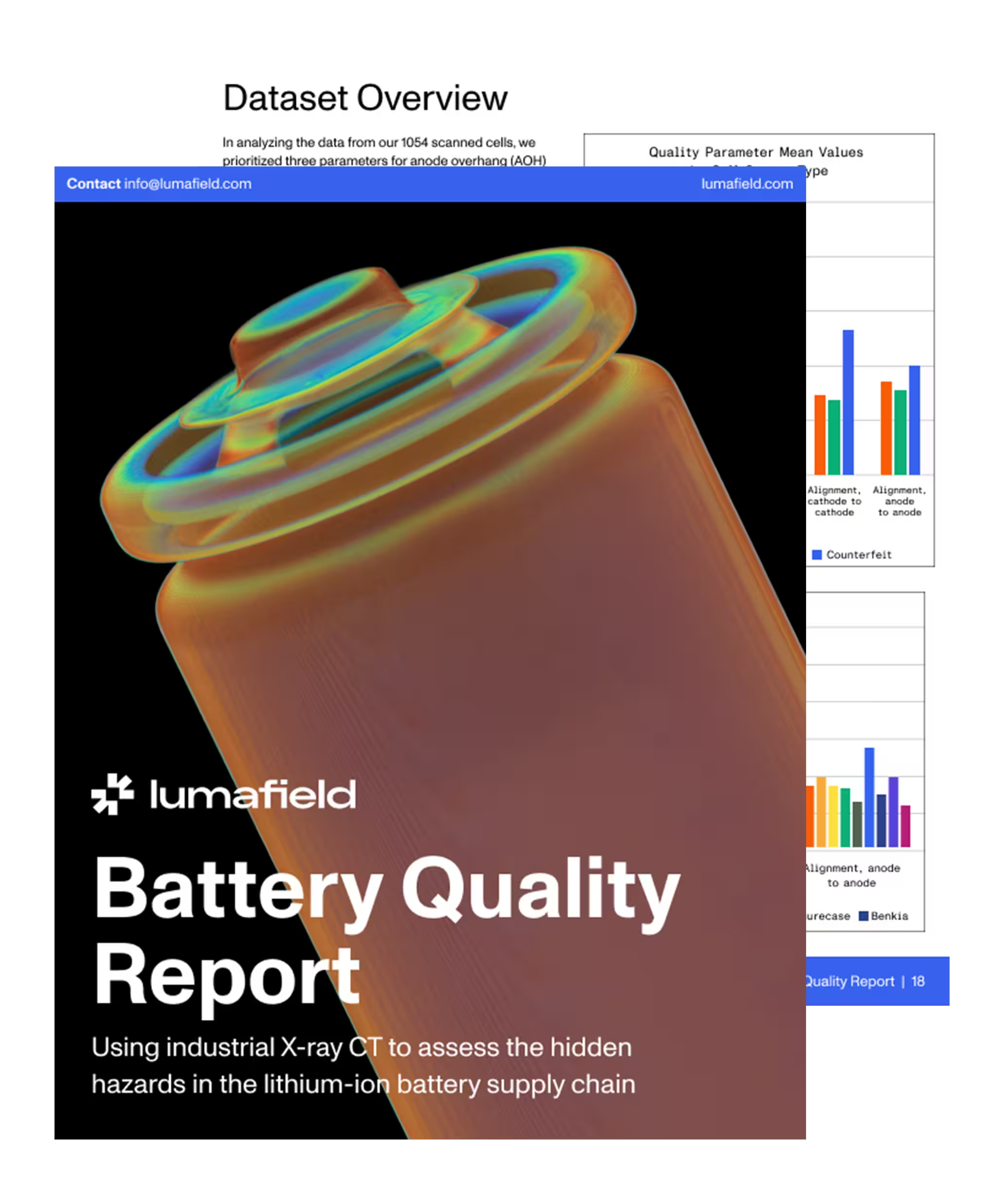
Every year, billions of 18650 lithium-ion battery cells are produced, powering everything from our toothbrushes to electric vehicles. But beneath the surface, a hidden world of quality control issues and dangerous counterfeits puts consumers and manufacturers at risk.
Lumafield’s in-depth investigation shines a light on this critical issue. We CT-scanned over 1,000 18650 battery cells from 10 different brands, ranging from reputable OEMs to low-cost and outright counterfeit options.
Our automated analysis focused on key indicators of cell safety and quality, including anode overhang (AOH) and edge alignment, two critical factors that directly impact battery performance and safety.
Lumafield's platform moves with Tesla's engineering and quality teams — from R&D and failure analysis through high-volume production inspection. One software environment connects every scanner, every site, and every scan.
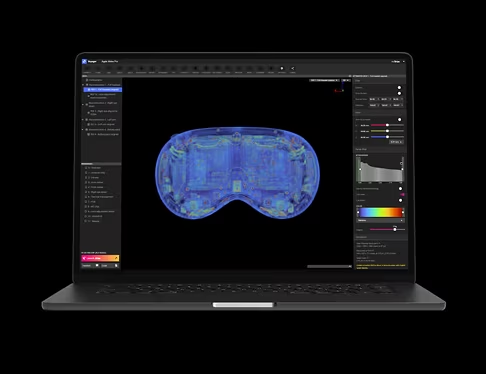
Shared, searchable platform accessible from any site. Visibility across every Tesla team, facility, and supplier.
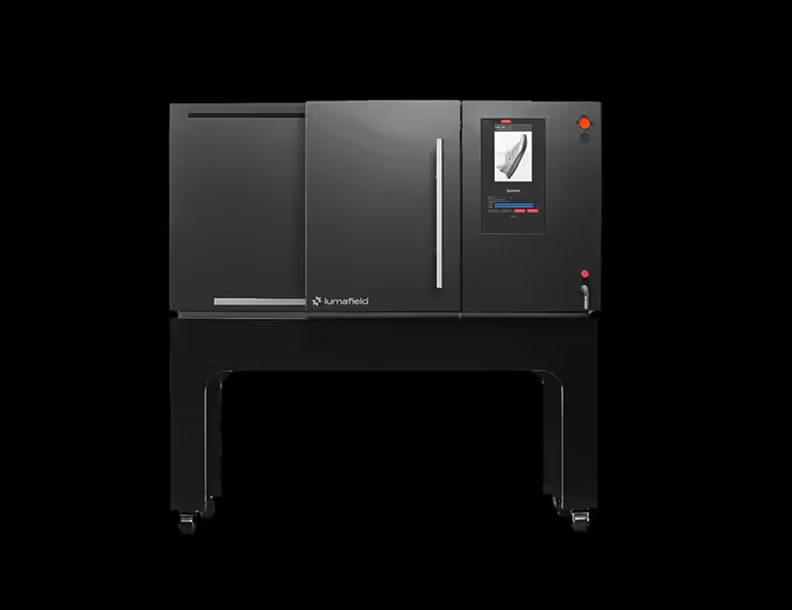
Lab-grade CT for in-house R&D and quality. Same-day results without waiting on internal labs.
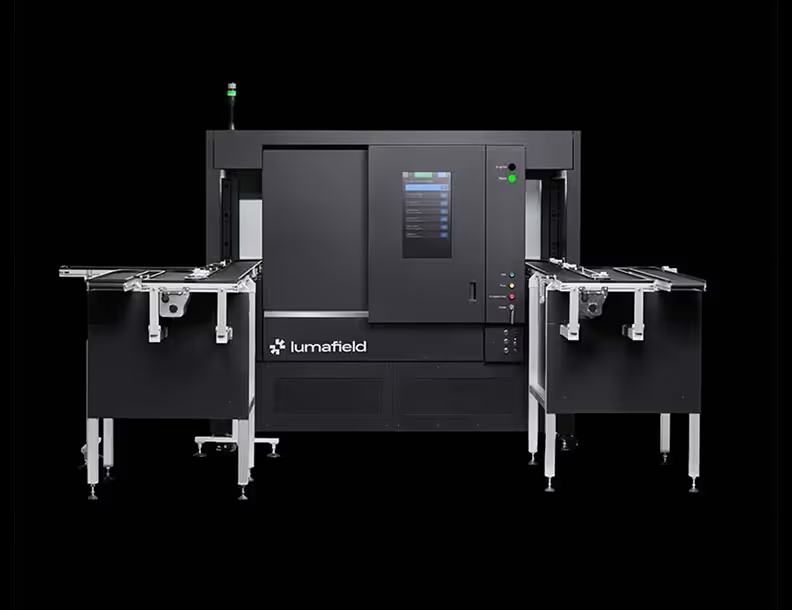
High-throughput CT for in-line inspection. Validate suppliers, monitor process deviation, and release quarantined batches with confidence.
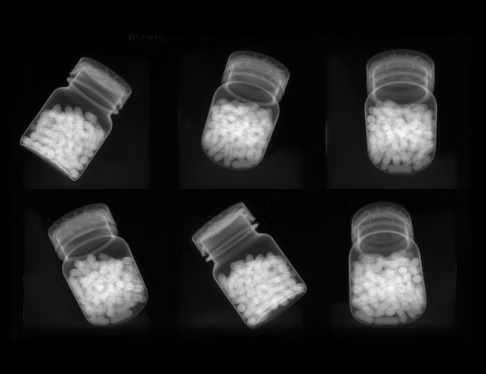
100% inline inspection at up to 5 parts per second for connectors, fasteners, and small electromechanical components — catching critical defect escapes before they reach the assembly line.
Send us a part — battery cell, drive unit casting, Optimus joint assembly, or weld sample — and we'll show you what's inside.
Request an assessment
Daniel works with R&D, quality, and manufacturing engineering teams across Lumafield's robotics and electronics customer base. He brings that context directly to every assessment.
A Lumafield expert will reach out as soon as possible.