See inside the material, not just the surface.


Internal material characterization matters most when there is no other way to see what you need to see. Aerospace manufacturers use CT to examine composite layups, fiber orientation, and void content in carbon fiber structures where delamination and fiber fracture are invisible by any surface method. Medical device teams characterize implant materials, coating integrity, and internal density distribution in components where material consistency is a regulatory requirement, not just a quality target. Automotive engineers map porosity and shrinkage in castings and molded components to determine whether material condition falls within acceptance criteria before parts travel further down the line. For consumer packaged goods manufacturers using recycled or regrind materials, CT identifies inclusions and density anomalies that introduce unpredictable failure modes into packaging and product components.
Lumafield's platform makes material characterization data shareable and traceable. Findings live in Voyager, where they can be linked to process parameters, compared across material lots, and carried into material selection and supplier qualification decisions.


Featured Resources
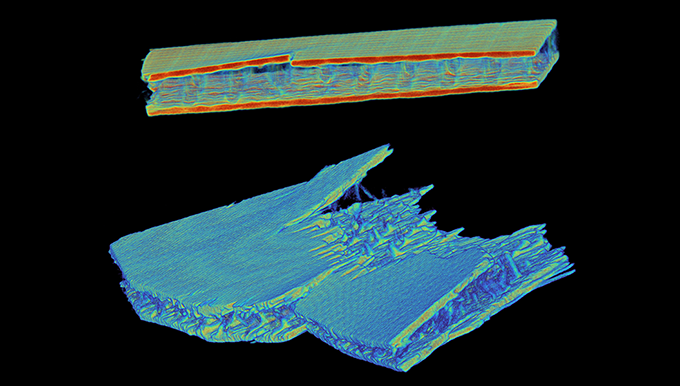
A global automotive supplier streamlined the Design Verification and Production Validation (DV/PV) process.
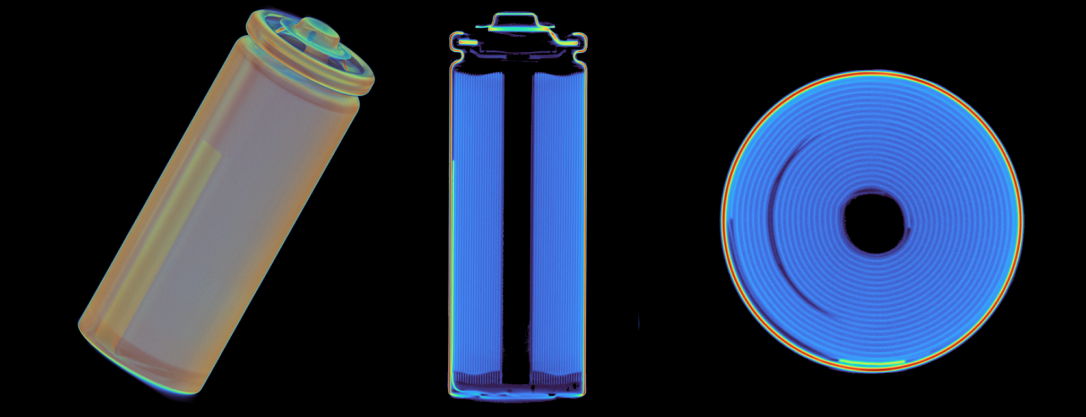
A global CPG leader streamlined battery quality control by replacing costly outsourced inspection.