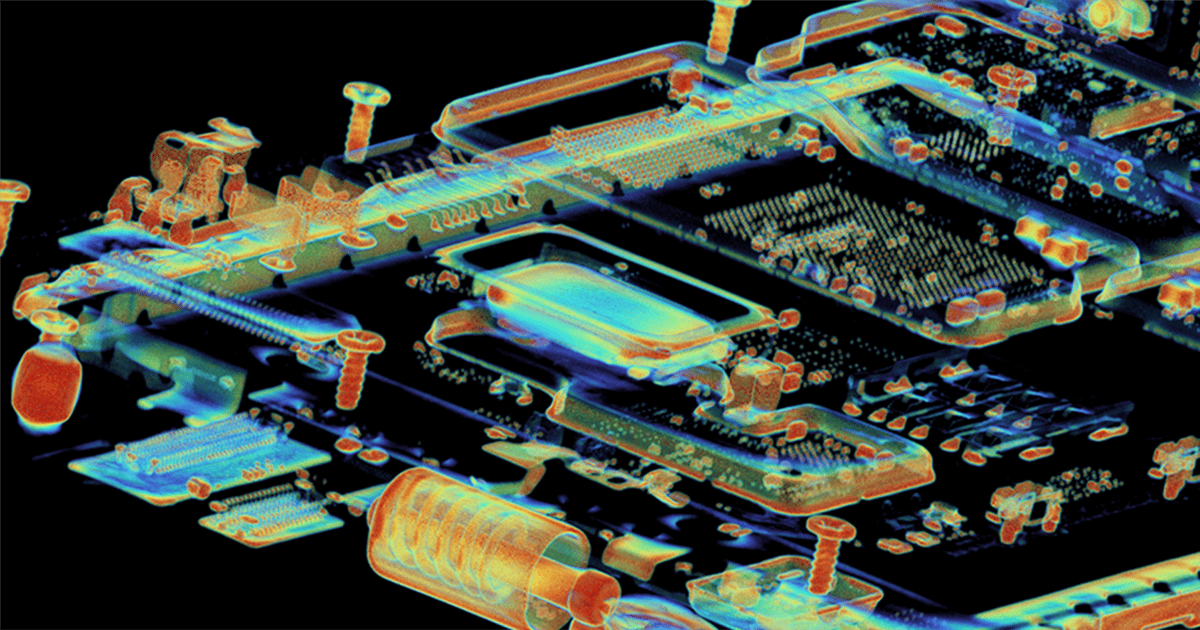
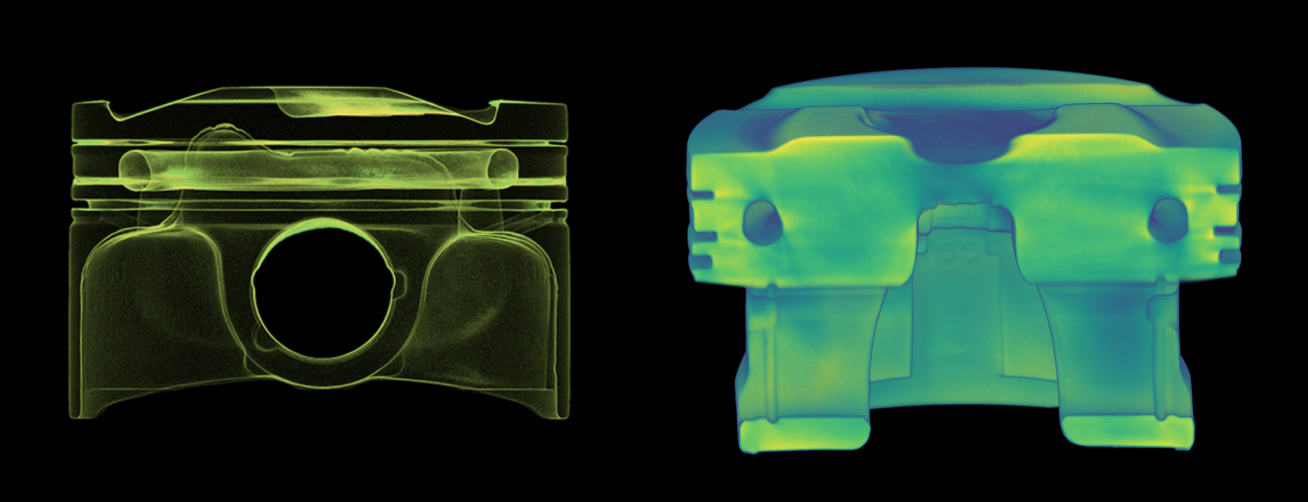
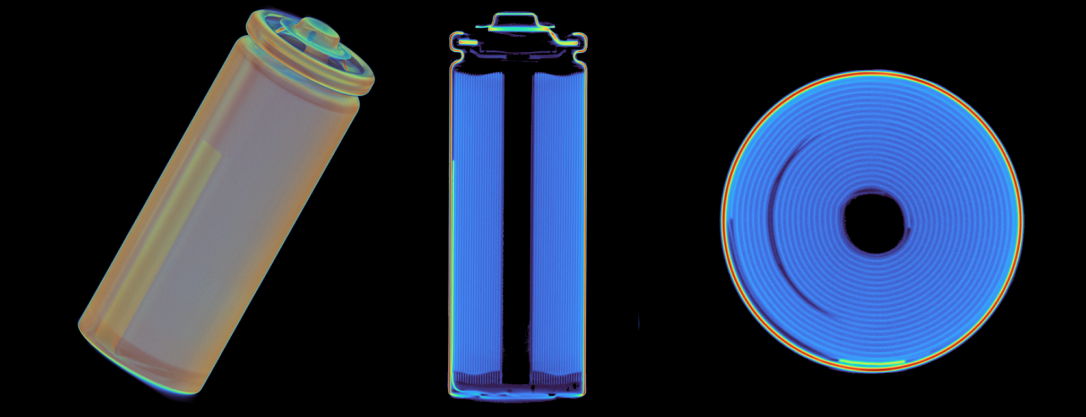
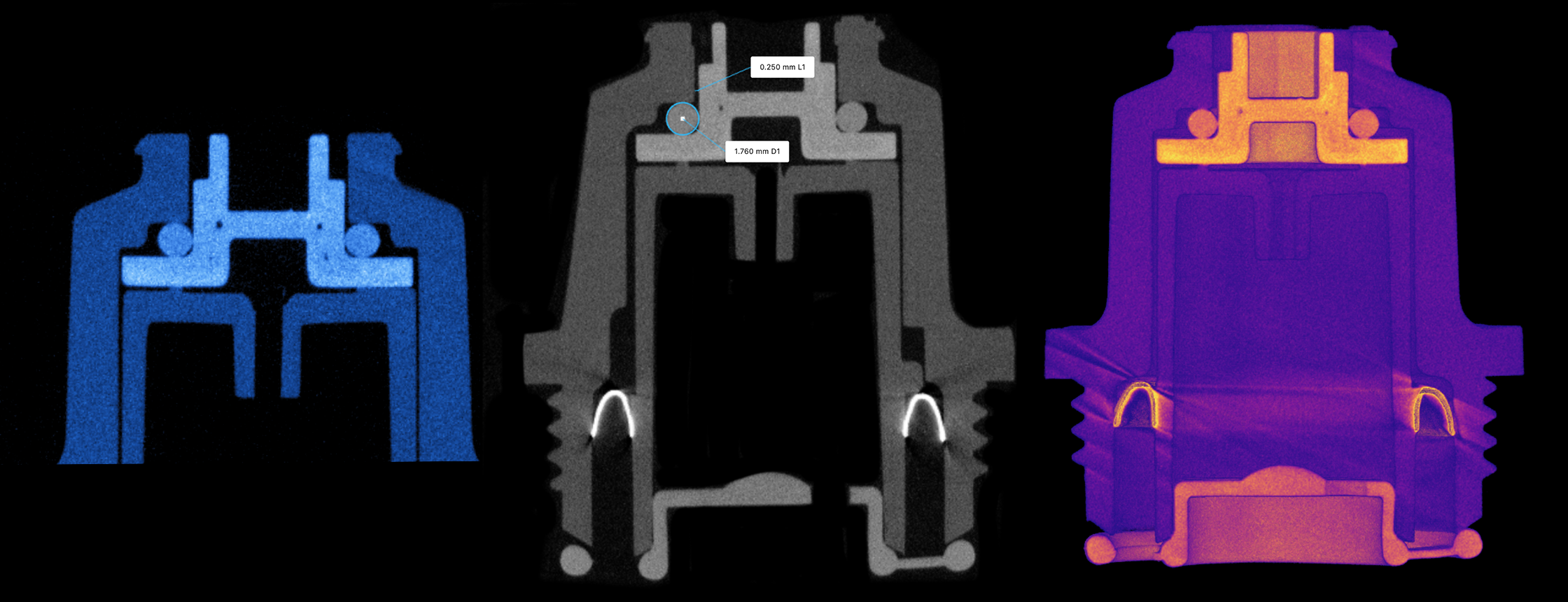
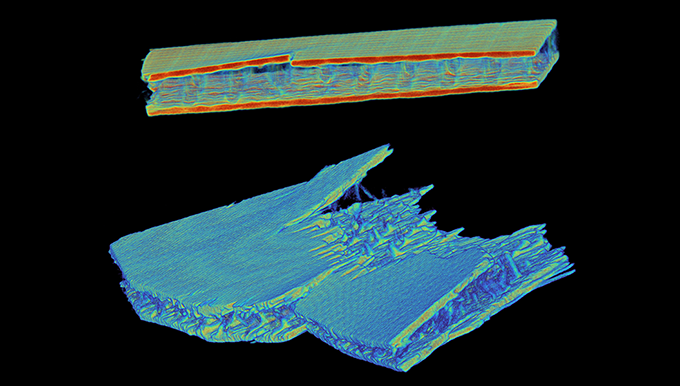
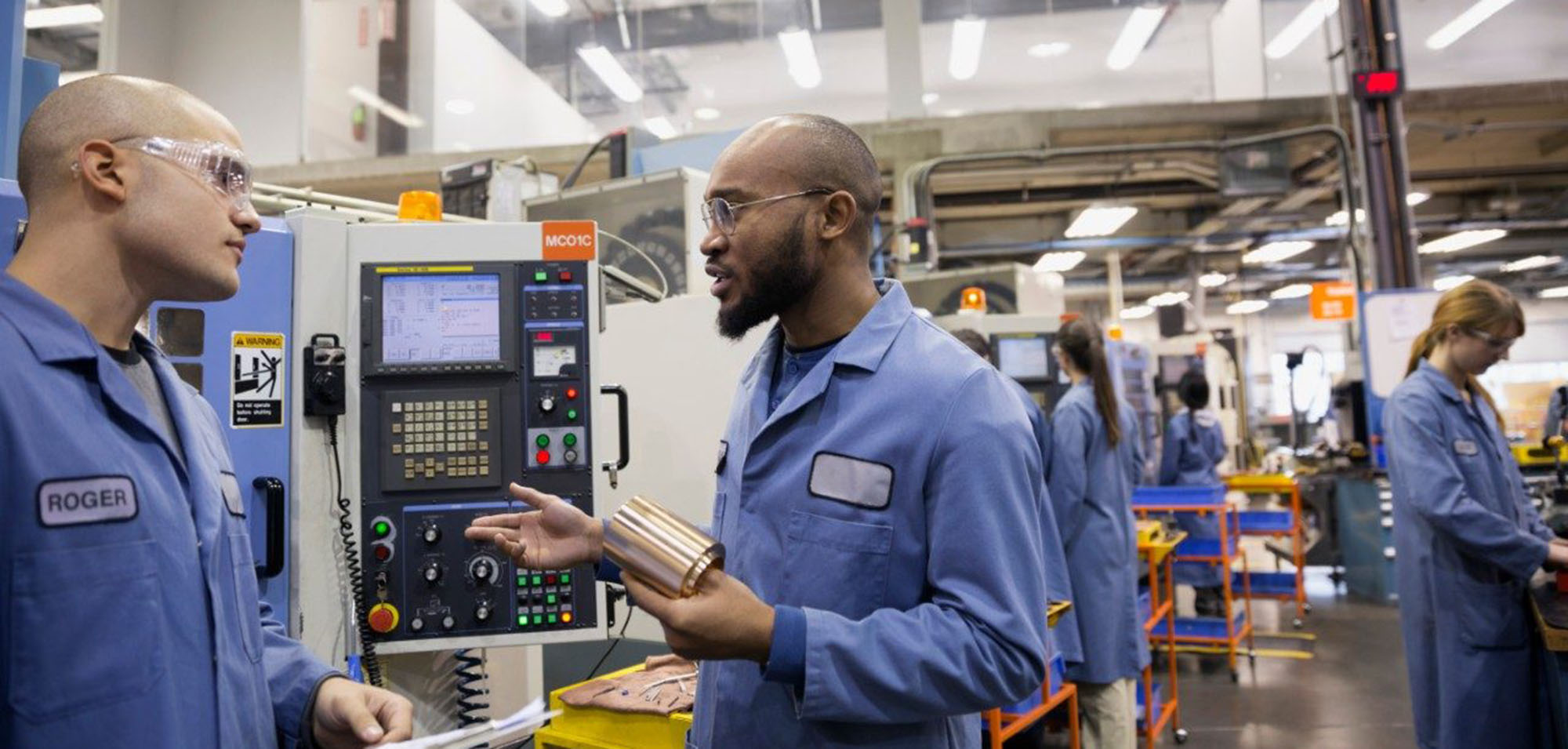
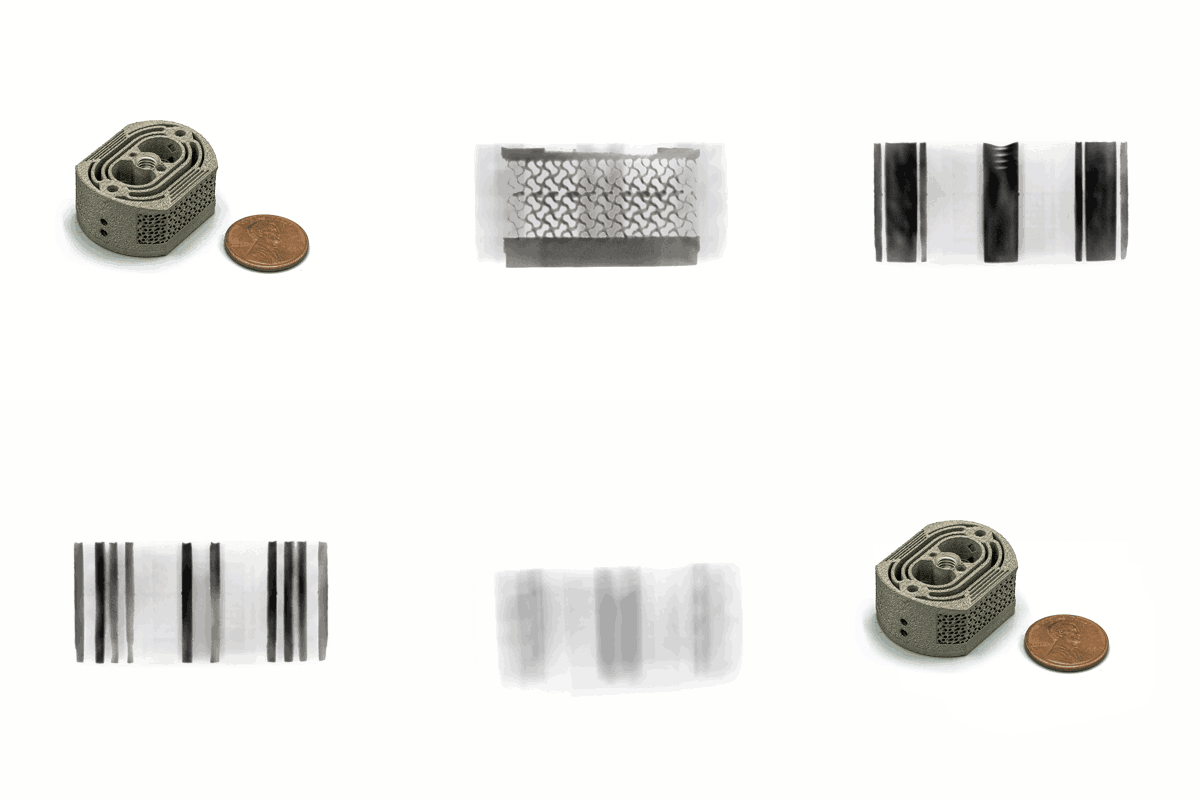
RFK Racing uses Lumafield's platform to validate parts before they even reach the track.
In NASCAR, the margin between competing and winning is measured in tenths of a second. RFK Racing, the organization co-owned by Jack Roush, Fenway Sports Group, and driver Brad Keselowski, has always understood that technical edge does not come from a single decision but accumulates over time across hundreds of them. As the sport moved into the Next Gen era, new constraints sharpened that philosophy: the cars became more standardized, the parts single-sourced, and the schedule compressed. Today, RFK unloads at a track, runs 25 minutes of practice, qualifies, then races. There’s no time to feel things out on the asphalt. Every failure at the track is a failure that should have been caught in the shop.
CT scanning became the answer to that problem.
If I had to summarize Lumafield’s CT scanner and its role within our company in one word, it would be confidence. It has made us a more confident company as a whole.
— Todd Brewer, Director of Manufacturing, RFK Racing
Quality control in the Next Gen era
The NASCAR Next Gen car, introduced in 2022, standardized the sport in ways that changed how teams compete. Over 80% of the components on a Cup Series car are now single-source vendor supplied, with the same parts from the same suppliers going onto every car on the grid. That standardization closed off many of the avenues teams had historically used to gain an advantage. It also transferred a critical responsibility: teams that once manufactured their own parts and controlled every step of the build now receive components they had no hand in making.
More and more it’s about those small tweaks and those small decisions that we’re making that are going to give us a competitive edge. That’s how Lumafield has really redefined how we approach the race week.
— Samantha Lunt, Director of Vehicle Dynamics and RFK TeK Alliance
For Todd Brewer, RFK's Director of Manufacturing, the shift was direct: "With this new era of racing, we don't have time to get on the track and feel it out. We hit the racetrack 100%, and you have 20 minutes to do it." Instead of spending more time on the track, the team is investing in inspection. Industrial CT scanning condenses what had been weekslong testing into just a matter of hours.
From surface inspection to internal certainty
Before Lumafield’s platform arrived, the inspection toolkit at RFK was largely surface-level. Mag and Zyglo testing, methods that use dye penetrant or magnetic particles to reveal cracks, only show what is visible on the exterior of a part. For the internal geometry of a master cylinder, the wiring integrity of an electronics harness, the void structure of a carbon fiber layup, or the internal flow paths of a fuel pressure sensor, there was no reliable alternative to testing, either in a dedicated fixture or on the track. Both options carry costs. Building test fixtures takes time and resources, while on-track testing is a scarce and expensive commodity.
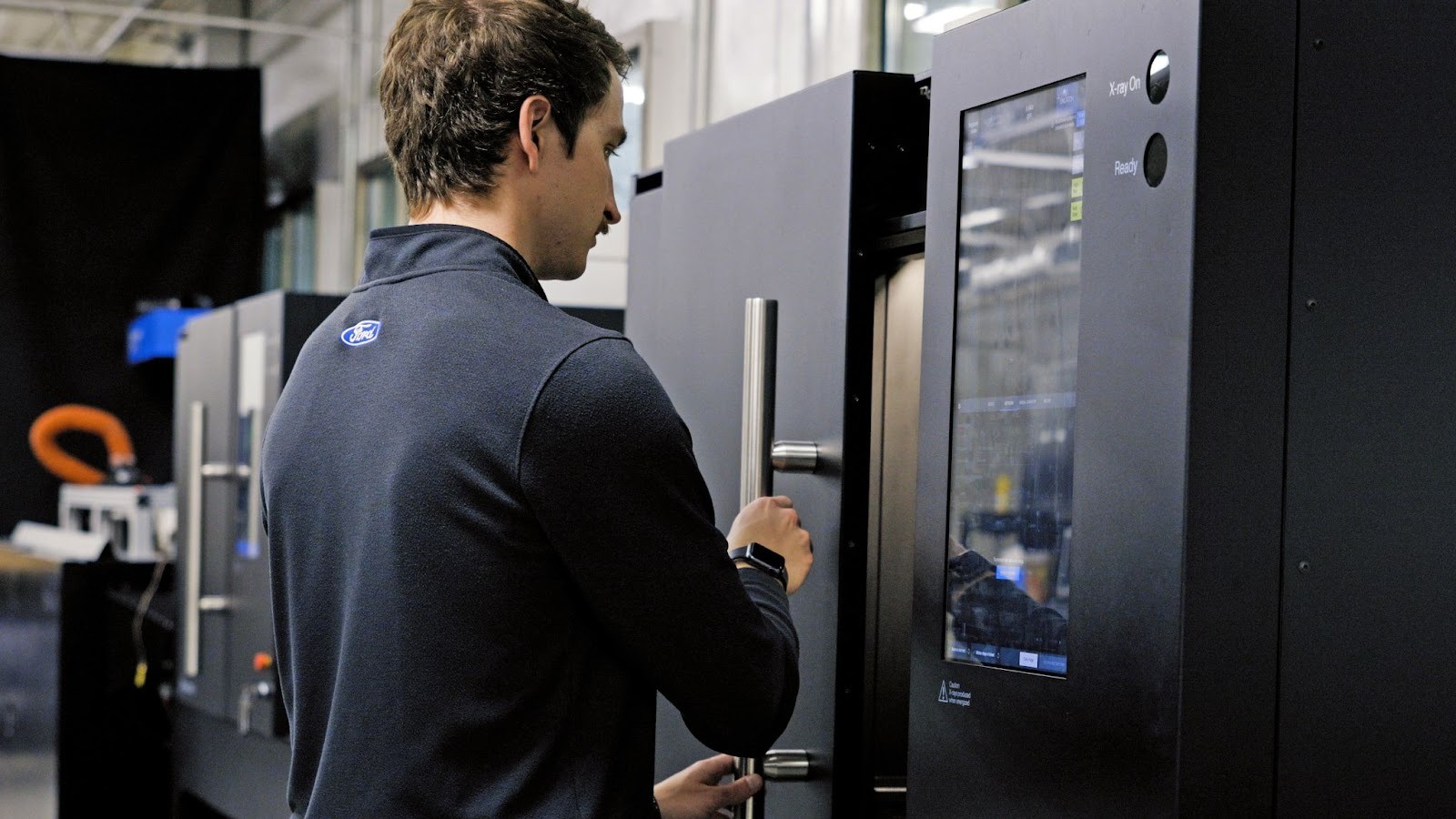
RFK received two Lumafield Neptune scanners simultaneously, a setup that allows the team to run quick scans for incoming inspection on one machine while a longer, higher-resolution scan runs overnight on the other. The range spans from under an hour to a 20-hour scan depending on part complexity. That flexibility matters in a sport where parts move from teardown to prep to rebuild on a weekly cycle.
David Leiner, the team's Assembly Manager and one of its primary scanner operators, describes the before-and-after plainly. "Before we had the CT scanners, we just couldn’t do internal tracking. Now we can check the interior of the components we need to make sure everything is okay."
The security that CT adds is unmeasurable. I don't know that we can go back to not having it.
— David Leiner, Assembly Manager, RFK Racing
Incoming inspection and in-service monitoring
RFK runs CT inspection at two points in a part's life: incoming and in-service. Parts are cleared through QC when they first arrive. Then, over the course of their service life, select components are scanned again to help the team understand how they are aging.
The incoming stage catches manufacturing defects before they reach the car. Leiner's team caught a power steering cooler with an internal defect before it was ever installed, a flaw that would have been invisible to any surface inspection method. "We saw the issue before it even went on the car," he says. "That was probably the one thing that saved us from having a major problem."
The in-service stage is where the team builds knowledge about part behavior over time. That ongoing scanning is changing how the team thinks about carbon fiber components, which previously had no real inspection protocol. "Before we didn't even really have a process for carbon objects," Leiner says. "It was: okay, this is what we have, we're going to run this many races with it, and just hope and pray." Now the team scans those components and makes informed decisions about whether to extend service life or retire a part.
Finding the source of on-track failures
Some of CT scanning's most critical contributions at RFK have come after problems appeared on track. Brewer describes a case at COTA where a car experienced a fuel pressure anomaly: the car's electronics believed it had no fuel pressure when it did. The team brought the car back and worked through a systematic diagnosis, running the dyno and pulling significant manpower. When they put the fuel pressure regulator in the scanner, they found the issue right away: internal contact interference creating a voltage shift was confusing the car's electronics.
Wiring faults have been another recurring concern. "To the naked eye, everything looked fine," Brewer says of one incident. "Without destroying and compromising the sheath, we were able to put it in the machine and tell that we had a short from either installation or manufacturing that caused a voltage readout issue. It was holding us back from on-track activity." In a sport where practice sessions are capped at 25 minutes, preventing a lost session is worth real money.
Losing track time is 100% not acceptable in this day and age of racing.
— Todd Brewer, Director of Manufacturing, RFK Racing
What a carbon fiber flex plate taught the team about tolerance
RFK’s most instructive CT discovery, however, has turned out to be a more nuanced understanding of what actually constitutes a defect.
The team scanned a carbon fiber flex plate, the component that transfers engine power to the driveshaft, and found significant voids and variance in the carbon layup. In a world where the assumption is that every dimension and density must be exact, the findings were alarming. What the team learned after deeper investigation was that the variation was within normal manufacturing tolerance for that class of part. The part that initially looked like a failure was in fact in-spec and could be expected to function as promised.
"In a world where we think that everything has to be perfect, the reality is there are a lot of imperfections," Brewer says. "Seeing it in this clarity was eye opening."
That observation shifted how the team thinks about acceptable tolerance versus actual defect. Rather than retiring parts based on visual appearance or gut instinct, RFK now has evidence. CT data created a baseline for what a good part looks like, which makes it possible to confidently diagnose a bad one.
A shared tool across the shop
RFK made a deliberate choice to distribute scanner access across departments rather than confine it to engineering. The assembly team is the most active group, including the drivetrain, brake systems, and smaller assembly components. Engineering handles the more complex investigations and deeper analytical work, while R&D makes use of industrial CT for more foundational projects.
This cross-pollination was intentional. "Too many times folks right in this building don't even know the technology they have access to," Brewer says. "We try to make sure that everyone is thinking in a forward mindset, so they can look at these tools and realize that maybe something in their world can be scanned to make us a better race team."
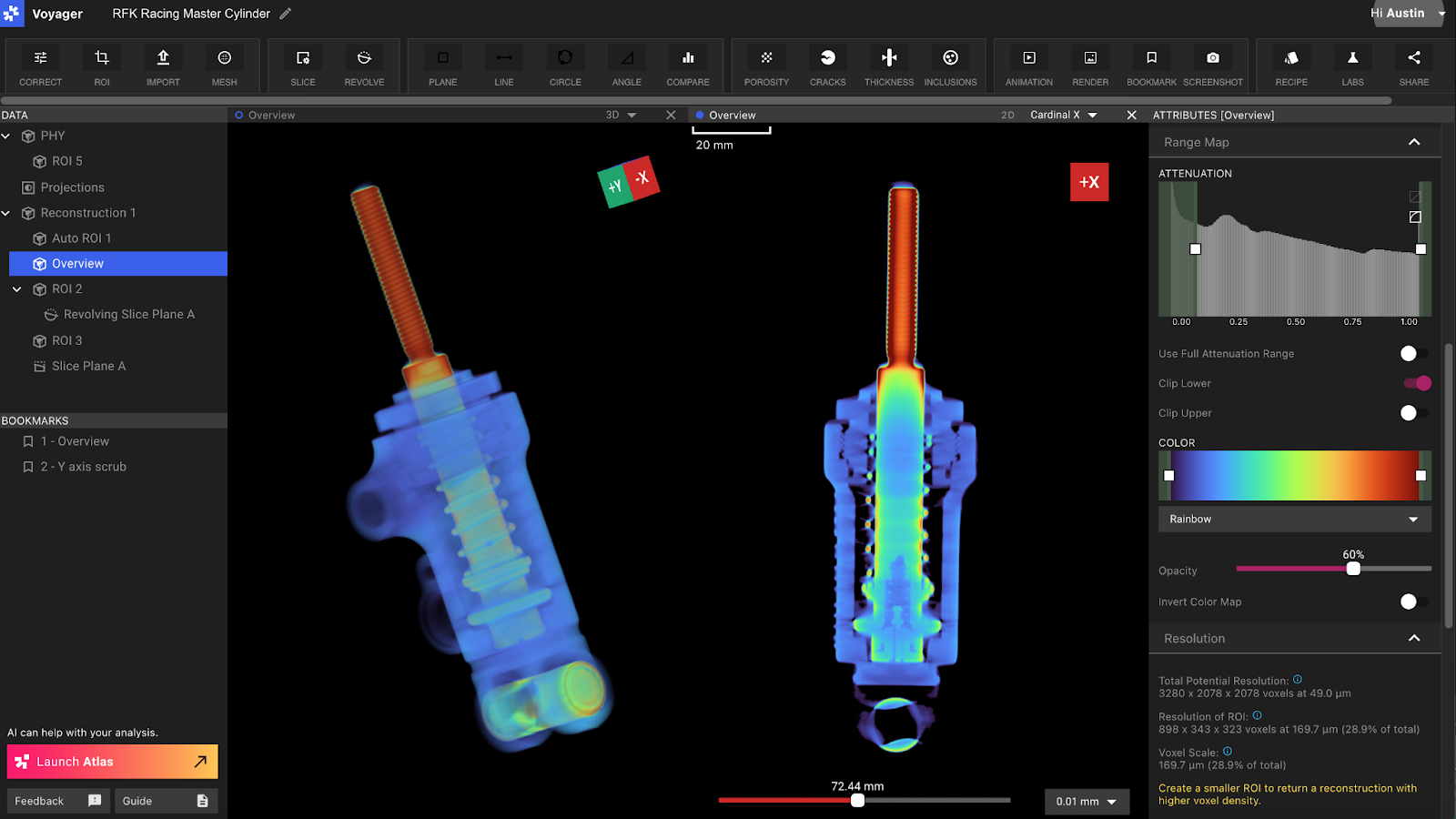
That forward mindset finds a practical expression in Voyager, Lumafield's cloud-based software platform. Web access means multiple people can review the same scan simultaneously from anywhere in the building or on the road. "It's not just one person at the machine," Brewer says. "That web base allows us to share with our teams that are using those parts to dive in and get a better view." Samantha Lunt thinks this ease-of-use has broader implications: crew chiefs, engineers, and mechanics all need to trust the car before they can commit to it. The scanner, and the platform surrounding it, are part of how that trust is built.
Lumafield is that teammate that really gives you the final go and no-go before a part goes on the car. It’s invaluable to the RFK team.
— Samantha Lunt, Director of Vehicle Dynamics and RFK TeK Alliance
The cost of catching it in the shop versus at the track
Quantifying what CT scanning is worth to a NASCAR team is not straightforward. The value lives largely in what did not happen: the part that did not fail, the track time that was not lost, the race weekend that proceeded without a mechanical incident that could have been caught in the shop.
Brewer offers a frame: "Hundreds of thousands of dollars are at stake each week. And between our drivers and our teams, they'll put a million-dollar price tag on it if a failure took them out of that race. That's what it means to this company."
In NASCAR's current playoff format, that calculus is not abstract. A single race where a preventable failure removes a car from competition can cost a team playoff position. The financial exposure is direct, and while the competitive consequences compound, the driver’s safety ultimately matters most.
"Confidence in the car that we're putting out on track is paramount," Lunt says. "It's important that our drivers trust us to give them a car that is not only fast and going to perform well, but is safe."
That is what RFK is building with every scan: the assurance that lets a driver throw the car into the corner on lap one, without hesitation, knowing that the pedal will be there, the steering will respond, and every part on that car was cleared before it was ever installed.
.png)