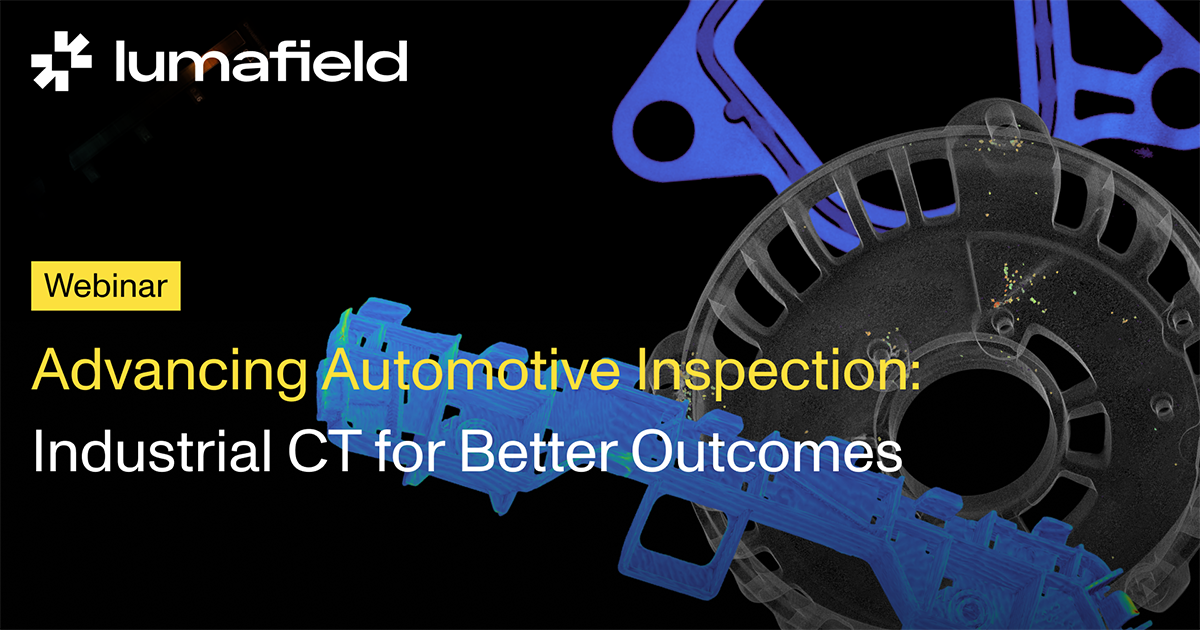
Advancing Automotive Inspection: Industrial CT for Better Outcomes
The Takata airbag recall ran its supplier out of business and touched nearly every major OEM. Behind most automotive recalls is a defect that inline inspection never saw and a root cause that took too long to find. This session walks through where industrial CT closes that gap, from first article inspection in the lab to pass/fail decisions on the line, with the automotive applications and the ROI cases that justify it.
What you'll learn
The session covers how CT works, where it fits across the automotive product lifecycle, and what it returns:
- How CT reconstructs a full 3D volume from 2D radiographs, and where virtual cross-sectioning replaces the destructive testing teams still do by slicing parts open
- Porosity analysis on cast and injection-molded parts, including overlaying as-machined CAD on cast-part porosity to catch a leak path before a wasted machining operation
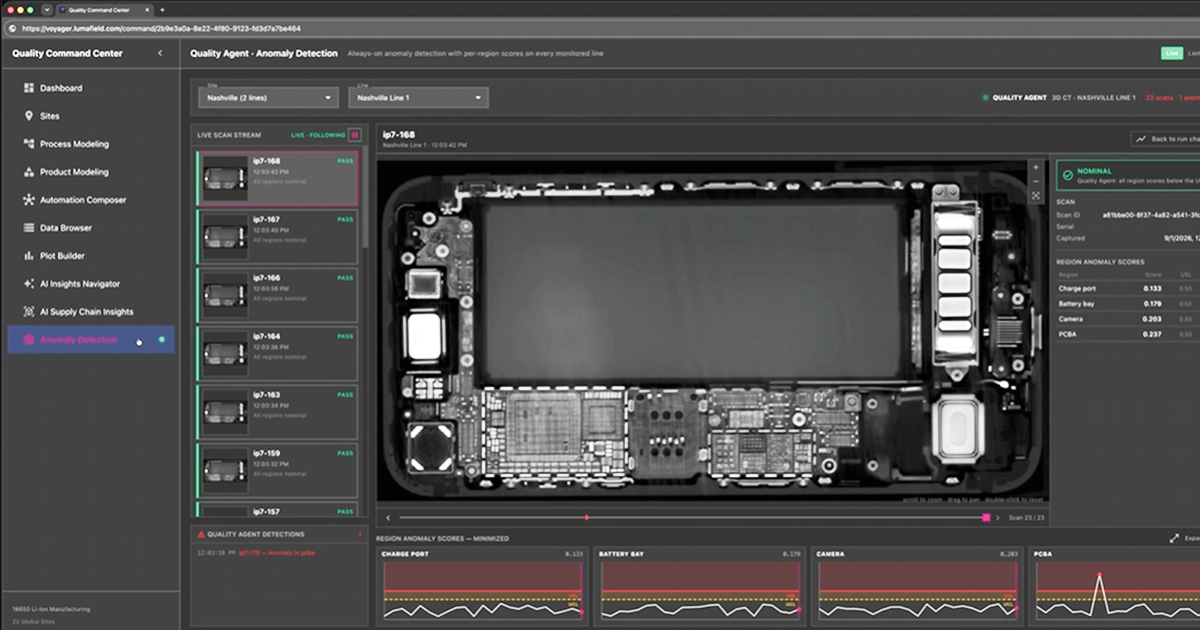
- Weld inspection for porosity, gaps, and incomplete penetration, and how control-chart dashboards surface a wearing weld tip before it drifts out of spec
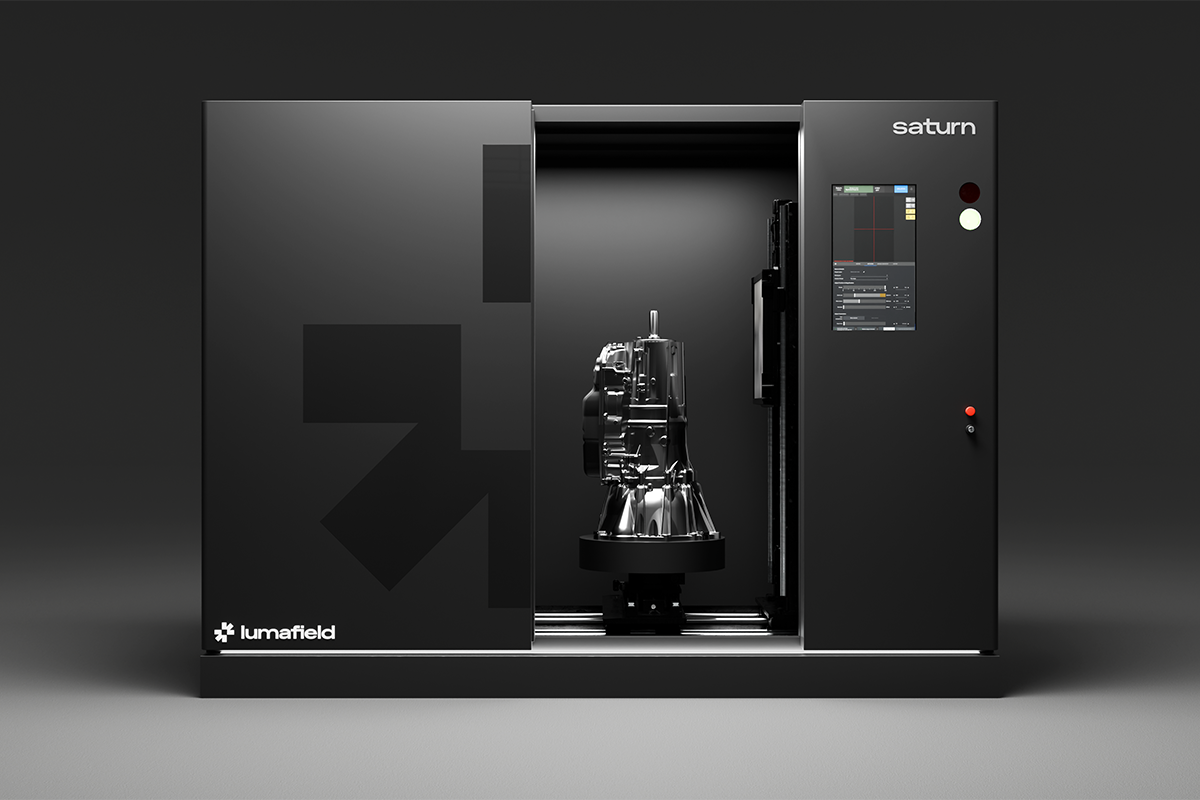
- The catch-and-characterize workflow: high-throughput go/no-go on the line with Triton or Mars, deep root-cause analysis in the lab with Neptune or Saturn
- What 2.5D inspection means on the Mars system, and how one or two radiograph views move throughput from tens of scans a minute to hundreds
- The ROI cases: an Oracle study where a three-month launch delay cost roughly 60% of a program's lifecycle profit, a customer who cut porosity analysis turnaround from three days to one, and a supplier who defended against a million-dollar clawback by proving its parts were in spec
Presenters
Nick Morton, Senior Product Manager, Lumafield
Chas Spieser, Enterprise Account Executive, Lumafield


%20header.jpg)