FREE WHITE PAPER

Heading

Date
This is some text inside of a div block.
FREE WHITE PAPER

Heading 1

Heading 2

Heading 3

Heading 4

Heading 5
Heading 6

Lorem ipsum dolor sit amet, consectetur adipiscing elit, sed do eiusmod tempor incididunt ut labore et dolore magna aliqua. Ut enim ad minim veniam, quis nostrud exercitation ullamco laboris nisi ut aliquip ex ea commodo consequat. Duis aute irure dolor in reprehenderit in voluptate velit esse cillum dolore eu fugiat nulla pariatur.

Block quote

Ordered list

  1. Item 1
  2. Item 2
  3. Item 3

Unordered list

  • Item A
  • Item B
  • Item C

Text link

Bold text

Emphasis

Superscript

Subscript

Heading 1

Heading 2

Heading 3

Heading 4

Heading 5
Heading 6

Lorem ipsum dolor sit amet, consectetur adipiscing elit, sed do eiusmod tempor incididunt ut labore et dolore magna aliqua. Ut enim ad minim veniam, quis nostrud exercitation ullamco laboris nisi ut aliquip ex ea commodo consequat. Duis aute irure dolor in reprehenderit in voluptate velit esse cillum dolore eu fugiat nulla pariatur.

Block quote

Ordered list

  1. Item 1
  2. Item 2
  3. Item 3

Unordered list

  • Item A
  • Item B
  • Item C

Text link

Bold text

Emphasis

Superscript

Subscript

Download Resource
Thank you! Your submission has been received!
Oops! Something went wrong while submitting the form.

Seeing the Full Picture: How Helical CT Scanning Transforms Inspection of Medical Implant Systems
Edited by
Date
January 20, 2026

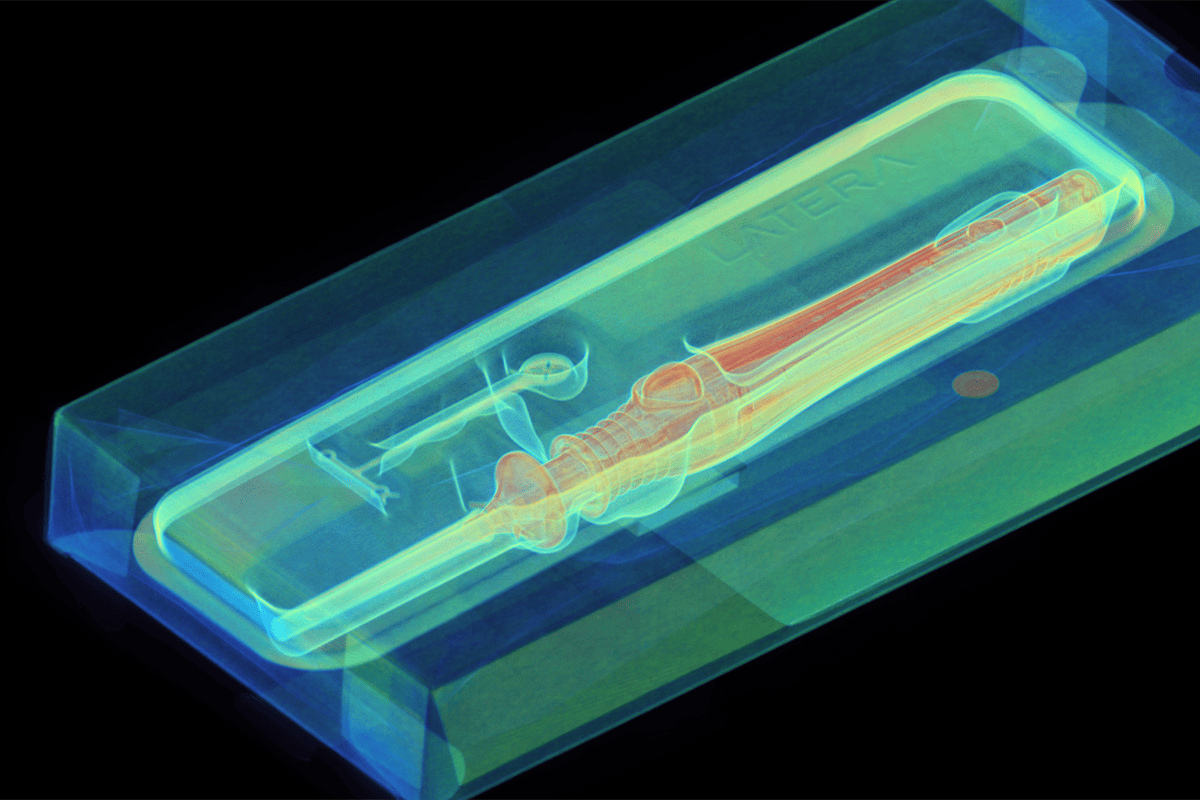
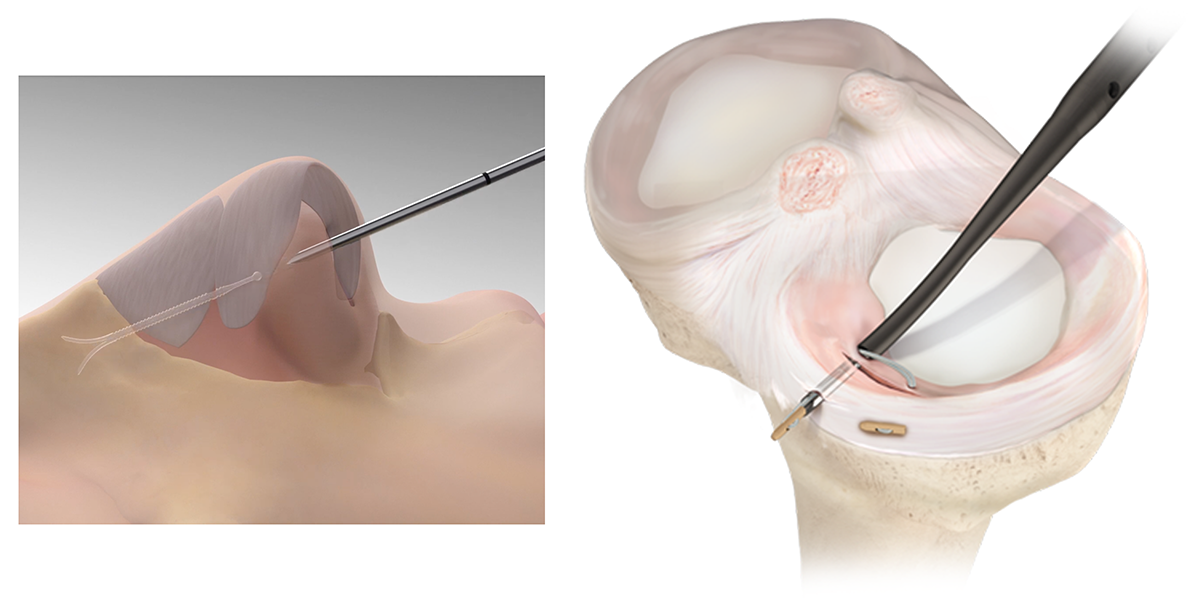
Medical implants are getting smaller, smarter, and more sophisticated. Their delivery instruments are getting longer and lower profile as the industry optimizes for minimally invasive procedures. For example, devices such as the LATERA® Nasal Implants and the Smith & Nephew OM-6500 SpeedScrew meniscus repair implants rely on elongated geometries to deliver strength, controlled deployment, and predictable performance inside the body. Their length is essential to how they function yet it also makes them notoriously difficult to inspect with traditional industrial CT scanning.
Nasal implant system (Left) and Meniscus implant system (Right)

Conventional CT systems have a fixed vertical field of view, meaning long parts often can’t be captured in a single scan without compromising resolution. Engineers are forced into a tradeoff: pull the sample farther from the detector to fit the whole part and lose critical detail, or scan smaller sections and attempt to stitch the datasets together manually. Neither approach is ideal when you’re analyzing devices designed for precise deployment, controlled absorption, and long-term patient safety.

Why length matters for implant inspection

LATERA® nasal implants are designed to support nasal valve collapse, requiring thin, flexible long-form geometries that must be manufactured with extremely tight tolerances. Small deviations in wall thickness, anchor structure, or material uniformity can affect how the implant deploys or resorbs over time.
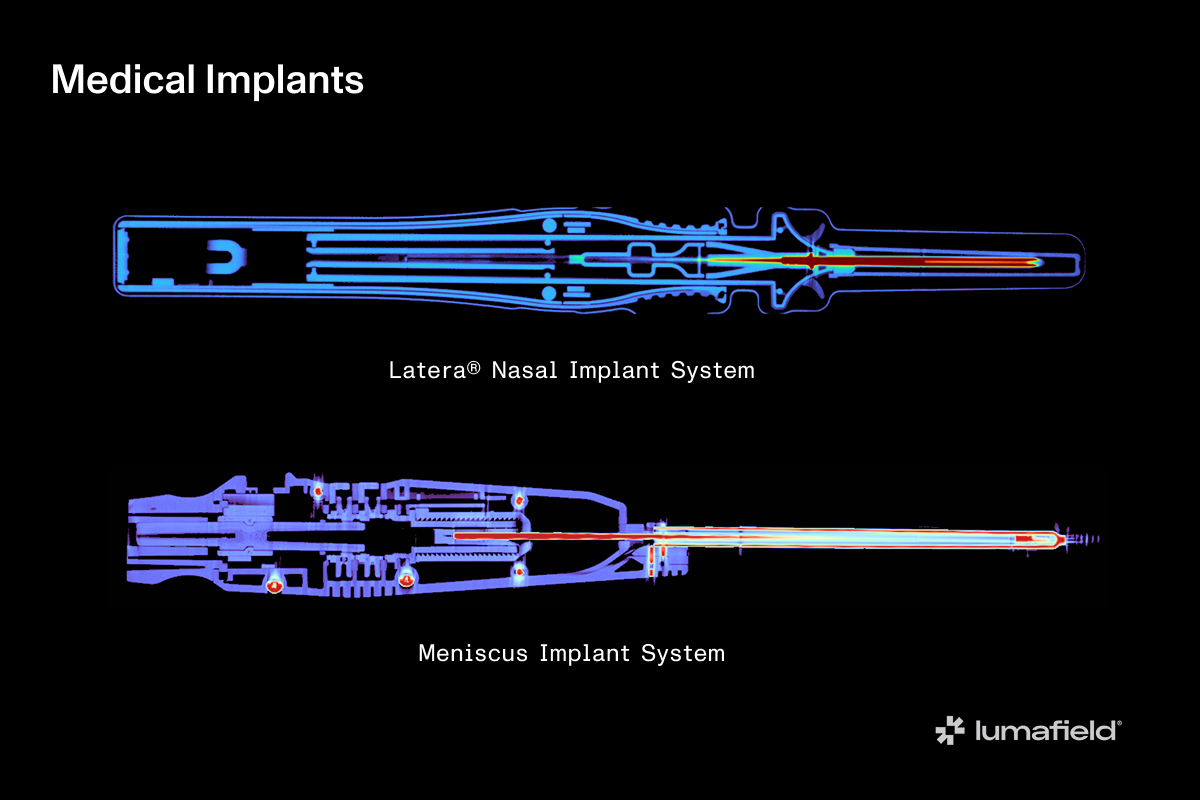
Helical Scanning allows for the verification of tight tolerances on complex systems with high-aspect-ratio geometries.

Meniscus repair implants (such as darts, anchors, and long fasteners) have even more complex requirements. Their strength, barbs or anchors, and delivery geometry span the full length of the device. Engineers often need to inspect barb geometry and sharpness, fiber reinforcement, internal alignment, or internal molding defects such as microcracks or voids along the length. But because these implants are long and slender, imaging the entire device at high resolution has traditionally been a challenge.

How Helical Scanning solves the problem

Helical Scanning removes the traditional vertical limitations of industrial CT. Instead of capturing a fixed-height volume, the system moves the part upward as it rotates, collecting a continuous helical dataset. This means for long medical implants, you no longer have to pull the implant farther from the detector to make it fit, or do traditional Industrial CT scan stitching that can introduce alignment errors. The system maintains optimal magnification while extending the scan vertically, making it ideal for slender devices like LATERA implants, suture anchors, and repair darts.

Seamless workflow, better results

Helical Scanning in Lumafield’s Voyager workflow is intentionally simple. Setting upper and lower bounds takes seconds, and the dataset opens like any other CT scan except with an extended field of view and dramatically more usable information. Every tool, measurement, and visualization works exactly as expected. And ultimately, this leads to safer, more reliable implantable products.

Resource
Article

Seeing the Full Picture: How Helical CT Scanning Transforms Inspection of Medical Implant Systems

January 20, 2026
Resource

Seeing the Full Picture: How Helical CT Scanning Transforms Inspection of Medical Implant Systems

Medical implants are getting smaller, smarter, and more sophisticated. Their delivery instruments are getting longer and lower profile as the industry optimizes for minimally invasive procedures. For example, devices such as the LATERA® Nasal Implants and the Smith & Nephew OM-6500 SpeedScrew meniscus repair implants rely on elongated geometries to deliver strength, controlled deployment, and predictable performance inside the body. Their length is essential to how they function yet it also makes them notoriously difficult to inspect with traditional industrial CT scanning.

Nasal implant system (Left) and Meniscus implant system (Right)

Conventional CT systems have a fixed vertical field of view, meaning long parts often can’t be captured in a single scan without compromising resolution. Engineers are forced into a tradeoff: pull the sample farther from the detector to fit the whole part and lose critical detail, or scan smaller sections and attempt to stitch the datasets together manually. Neither approach is ideal when you’re analyzing devices designed for precise deployment, controlled absorption, and long-term patient safety.

Why length matters for implant inspection

LATERA® nasal implants are designed to support nasal valve collapse, requiring thin, flexible long-form geometries that must be manufactured with extremely tight tolerances. Small deviations in wall thickness, anchor structure, or material uniformity can affect how the implant deploys or resorbs over time.

Helical Scanning allows for the verification of tight tolerances on complex systems with high-aspect-ratio geometries.

Meniscus repair implants (such as darts, anchors, and long fasteners) have even more complex requirements. Their strength, barbs or anchors, and delivery geometry span the full length of the device. Engineers often need to inspect barb geometry and sharpness, fiber reinforcement, internal alignment, or internal molding defects such as microcracks or voids along the length. But because these implants are long and slender, imaging the entire device at high resolution has traditionally been a challenge.

How Helical Scanning solves the problem

Helical Scanning removes the traditional vertical limitations of industrial CT. Instead of capturing a fixed-height volume, the system moves the part upward as it rotates, collecting a continuous helical dataset. This means for long medical implants, you no longer have to pull the implant farther from the detector to make it fit, or do traditional Industrial CT scan stitching that can introduce alignment errors. The system maintains optimal magnification while extending the scan vertically, making it ideal for slender devices like LATERA implants, suture anchors, and repair darts.

Seamless workflow, better results

Helical Scanning in Lumafield’s Voyager workflow is intentionally simple. Setting upper and lower bounds takes seconds, and the dataset opens like any other CT scan except with an extended field of view and dramatically more usable information. Every tool, measurement, and visualization works exactly as expected. And ultimately, this leads to safer, more reliable implantable products.

Voyager Inspection Workflows
Introduction to Voyager
Introduction to Neptune
Introduction to Industrial CT
Introducing Mars for 100% Production Inspection
Advancing Automotive Inspection: Industrial CT for Better Outcomes
Introducing Neptune Performance and Triton Performance
Manufacturers Know Quality Costs Money. Most Don't Know How Much.
The Real Cost of a Product Recall and How to Prevent One
What Industrial CT Scanning Does for Manufacturing Quality
Explore more posts
メインコンテンツへスキップ
Mars: In-line arrayed X-ray system >
プラットフォーム
分野別ソリューション
すべての業界
バッテリー
医療機器
消費財
スポーツ用品
自動車
航空宇宙/防衛
農業と食品
電子機器
用途別アプリケーション
各種資料
技術資料
ケーススタディ
オンラインセミナー
Blog
Insights from lumafield
Go/No-Go
Manufacturing podcast
First Article
Editorial Publication
企業情報
会社概要
採用情報
プレスリリース
Events
Voyager を起動
お問い合わせはこちら
メニュー
製品業界
業界
すべての業界
電子機器
医療機器
自動車
消費財
バッテリー
農業と食品
航空宇宙/防衛
スポーツ用品
[アプリケーション]
リソース
リソース
ホワイトペーパー
101
オンラインセミナー
最初の記事
Go/No-Go Podcast
First Article
会社
会社
について
採用情報
プレス
Events
セールスに問い合わせる
ボイジャーを起動
© 2000 Lumafield. All Rights Reserved.
世界の”ものづくり”を変える。
分野別ソリューション
バッテリー
医療機器
消費財
スポーツ用品
自動車
航空宇宙/防衛
農業と食品
電子機器
すべての業界
用途別アプリケーション
リバースエンジニアリング
ファースト・アーティクル・インスペクション (FAI)
品質保証と品質管理
寸法測定
故障解析
材料特性評価
欠陥検出
競合ベンチマークと分析
組み立て検証
設計検証と妥当性の確認
サプライヤー適格性評価
非破壊検査 (NDT)
すべてのアプリケーション
製品
ネプチューントリトンボイジャーMarsアトラス
各種資料
学習コンテンツメディア技術資料ウェビナーオンラインセミナー初回CTスキャン分析ガイドケーススタディCT入門エンジニアブログ
企業情報
ログイン会社概要採用情報プレスリリースブログお問い合わせ

ニュースレターに登録する

info@lumafield.com
プライバシー情報セキュリティ導入サービス契約
© 2000 ルマフィールド。全著作権所有。