FREE WHITE PAPER

Heading

Date
This is some text inside of a div block.
FREE WHITE PAPER

Heading 1

Heading 2

Heading 3

Heading 4

Heading 5
Heading 6

Lorem ipsum dolor sit amet, consectetur adipiscing elit, sed do eiusmod tempor incididunt ut labore et dolore magna aliqua. Ut enim ad minim veniam, quis nostrud exercitation ullamco laboris nisi ut aliquip ex ea commodo consequat. Duis aute irure dolor in reprehenderit in voluptate velit esse cillum dolore eu fugiat nulla pariatur.

Block quote

Ordered list

  1. Item 1
  2. Item 2
  3. Item 3

Unordered list

  • Item A
  • Item B
  • Item C

Text link

Bold text

Emphasis

Superscript

Subscript

Heading 1

Heading 2

Heading 3

Heading 4

Heading 5
Heading 6

Lorem ipsum dolor sit amet, consectetur adipiscing elit, sed do eiusmod tempor incididunt ut labore et dolore magna aliqua. Ut enim ad minim veniam, quis nostrud exercitation ullamco laboris nisi ut aliquip ex ea commodo consequat. Duis aute irure dolor in reprehenderit in voluptate velit esse cillum dolore eu fugiat nulla pariatur.

Block quote

Ordered list

  1. Item 1
  2. Item 2
  3. Item 3

Unordered list

  • Item A
  • Item B
  • Item C

Text link

Bold text

Emphasis

Superscript

Subscript

Download Resource
Thank you! Your submission has been received!
Oops! Something went wrong while submitting the form.

What is High-Mix Low-Volume (HMLV) Manufacturing?

Edited by
Date
August 26, 2024

High-Mix Low-Volume (HMLV) manufacturing is an approach gaining traction in industries where customization, flexibility, and speed are critical. Unlike traditional mass production, which focuses on producing large quantities of identical products, HMLV manufacturing emphasizes the production of small batches of varied products. This strategy is particularly valuable in sectors like aerospace, automotive, medical devices, and consumer electronics, where the demand for personalized or specialized components is high and growing all the time.

What is High-Mix Low-Volume (HMLV) manufacturing?

Let’s break down the two components of HMLV manufacturing:

  • High-Mix: A wide array of products or product variations are produced, often with different specifications, materials, or designs.
  • Low-Volume: Each product type is produced in small quantities, which can range from a few units to a few thousand.

This manufacturing strategy allows companies to meet diverse customer needs, respond quickly to market changes, and innovate rapidly. However, it also introduces significant challenges, particularly in terms of quality control, efficiency, and cost management.
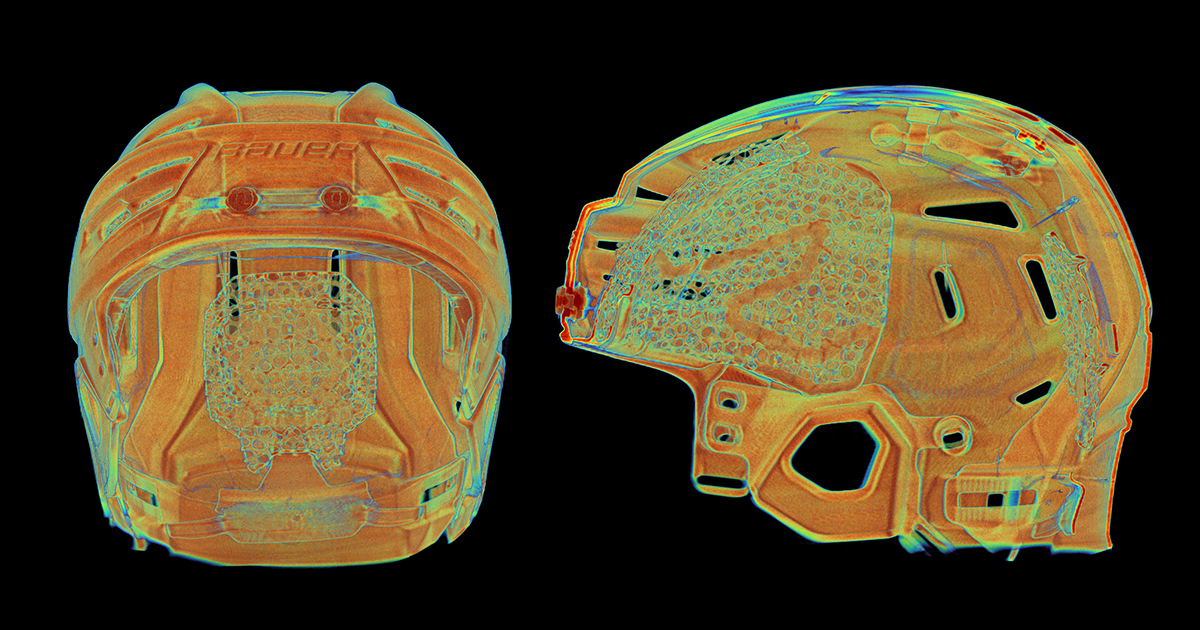
Bauer’s MyBauer RE-AKT hockey helmet exemplifies HMLV manufacturing by combining personalized 3D-printed Digital Foam with traditional production methods for optimal safety and fit. Industrial CT can help ensure the quality and integrity of the intricate lattice structure and adjustment system
Examples of HMLV products

High-Mix Low-Volume (HMLV) manufacturing is particularly suited to industries where customization, precision, and rapid adaptability are essential. Below are a few examples of products that thrive in an HMLV environment:

  • ‍Luxury and high-performance automobiles: Luxury car manufacturers often offer a high degree of customization to meet the specific tastes and requirements of their customers. From custom interior finishes to specialized performance components, each vehicle may require a unique set of parts produced in low volumes. For example, custom exhaust systems, bespoke leather interiors, or limited-edition models are all produced using HMLV manufacturing techniques to ensure each vehicle meets the exact specifications desired by the buyer.
  • Aerospace components: The aerospace industry frequently relies on HMLV manufacturing for producing specialized components like turbine blades, avionics enclosures, and custom fasteners. These parts often require materials and processes that can handle extreme conditions and precise tolerances. Due to the low production volumes and the need for various customizations depending on the aircraft model or mission, HMLV is the go-to manufacturing approach for aerospace components.
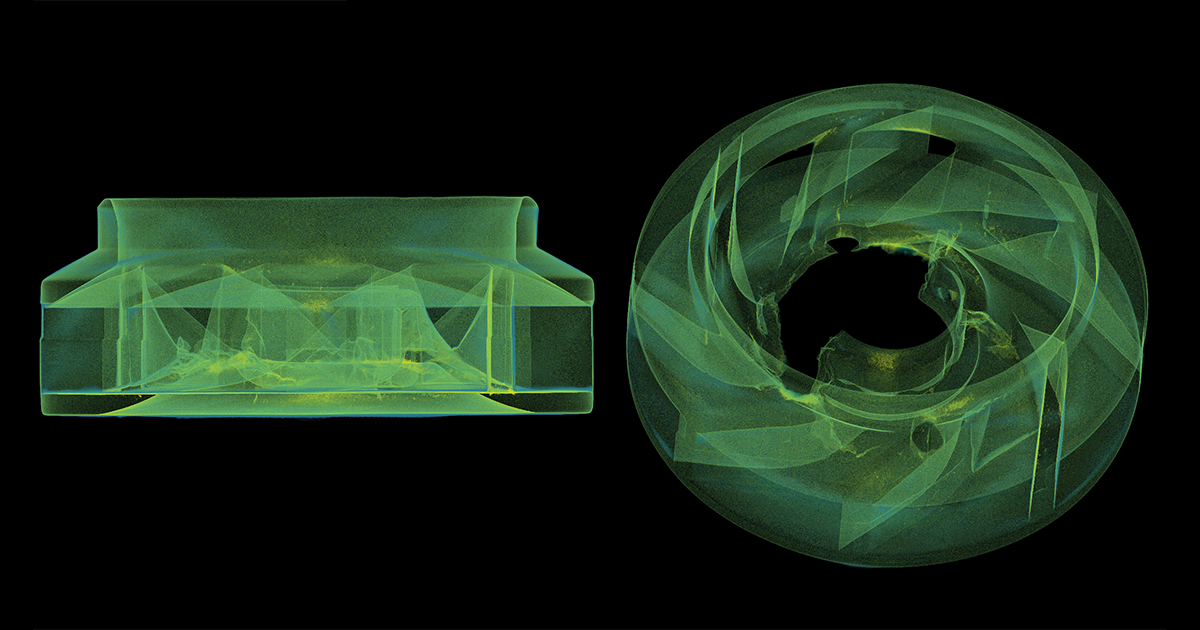
This industrial CT scan of a broken turbine blade reveals internal fractures and stress points, providing invaluable insights into the failure mode. In High-Mix Low-Volume (HMLV) manufacturing, where turbine blades are often tailored to specific engine requirements, industrial CT scanning enables detailed root cause analysis by exposing hidden defects and material inconsistencies.
  • Consumer electronics: High-end consumer electronics, such as specialized audio equipment or limited-run gadgets, also benefit from HMLV manufacturing. These products often feature custom designs, materials, and functionalities that are tailored to niche markets. For example, a company might produce a limited batch of high-fidelity headphones with custom tuning options or materials based on customer orders. The ability to quickly adapt production to these varied specifications while maintaining high quality is key in this sector.
  • Sporting equipment: Athletic goods, such as custom-fit helmets, high-performance bicycles, or personalized golf clubs, exemplifies HMLV manufacturing. Companies like Bauer, for instance, create custom hockey helmets tailored to the unique measurements of each player’s head, ensuring optimal fit and safety. These products require a high degree of customization, with production processes that can adapt to varying specifications without compromising quality or efficiency.
  • Medical devices: Medical devices such as customized implants, surgical instruments, and prosthetics are prime examples of HMLV products. Each device often needs to be tailored to individual patient anatomy or specific medical requirements. For instance, dental implants are custom-made to fit a patient’s mouth precisely, requiring small production runs of varied sizes and shapes. The high degree of customization and the critical nature of these devices make HMLV manufacturing essential for ensuring both quality and adaptability.
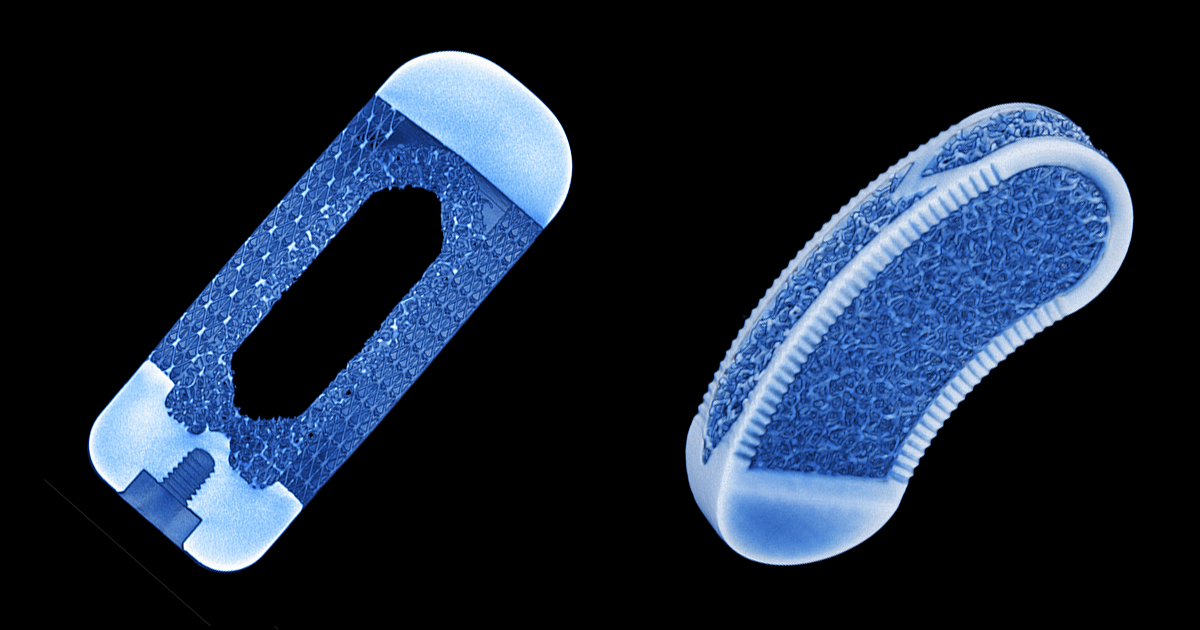
This CT scan of a 3D-printed spinal implant showcases the intricate lattice structure critical for patient-specific medical devices. In the High-Mix Low-Volume (HMLV) production of personalized implants, each device is custom-designed to fit an individual’s anatomy. Industrial CT allows for non-destructive verification of the implant’s quality and functionality well ahead of the implant procedure.
HMLV manufacturing challenges
  1. Production complexity: High-Mix Low-Volume manufacturing involves frequent changeovers between different product setups. This creates significant complexity in managing the diverse range of products, each with unique specifications and requirements. The constant need for reconfiguration can lead to inefficiencies and delays, making it difficult to maintain a streamlined production process.
  2. Quality assurance: In HMLV environments, ensuring consistent quality across varied, small-batch productions is challenging. Traditional inspection methods often lack the precision and adaptability required to detect defects in products with complex geometries or diverse material compositions. This variability increases the risk of undetected flaws, potentially leading to higher rates of rework or product failure.
  3. Inventory management: Balancing inventory in HMLV manufacturing is particularly difficult due to the need for a wide array of components, each required in small quantities. Overstocking leads to higher costs and wasted resources, while understocking can cause production delays. Managing this delicate balance without compromising efficiency is a persistent challenge.
  4. Cost constraints: Economies of scale are less accessible in low-volume production, leading to higher per-unit costs. Manufacturers must find ways to optimize their processes to maintain cost efficiency without compromising quality or speed. This is especially challenging when producing highly customized products in small batches.
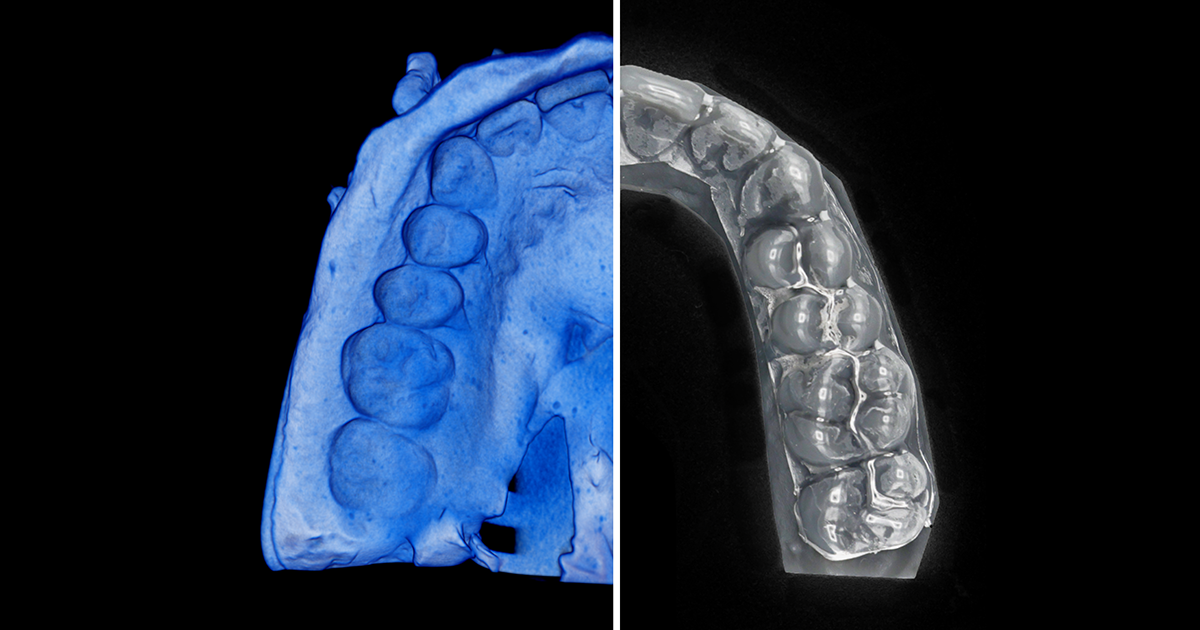
Dental aligners provide excellent examples of HMLV manufacturing, as each aligner is custom-made to fit an individual’s unique dental structure. Industrial CT streamlines this process by capturing detailed digital models from physical impressions, ensuring accurate treatment planning and precision in 3D printing. 
Overcoming the challenges of HMLV
  1. Streamlined process adaptability: To handle the complexity of HMLV production, manufacturers need tools that facilitate quick and efficient changeovers. These tools should allow for seamless transitions between different product setups, reducing downtime and maintaining the flow of production. Flexibility in manufacturing equipment and software is crucial to managing the diverse product mix without sacrificing efficiency.
  2. Precision inspection capabilities: Given the challenge of maintaining quality in a variable production environment, manufacturers must employ inspection methods that offer high precision and can accommodate a wide range of product types. These tools should be capable of detecting internal and external defects in even the most complex geometries, ensuring that every product meets rigorous quality standards, regardless of batch size.
  3. Inventory optimization solutions: Effective inventory management in HMLV manufacturing requires systems that can accurately predict component needs and streamline supply chain operations. Advanced software tools that integrate demand forecasting with real-time inventory tracking can help balance stock levels, minimizing both overstock and shortages while keeping production on schedule.
  4. Scalable cost management: To address the higher costs associated with low-volume production, manufacturers should leverage technologies that provide high value without the high price tag. These solutions need to offer the ability to perform detailed inspections and process optimizations at a fraction of the traditional cost, enabling manufacturers to maintain profitability even in small-scale operations.
  5. Comprehensive data utilization: Incorporating data-driven approaches into manufacturing processes allows for continuous monitoring and improvement. The ability to collect and analyze detailed production data enables manufacturers to optimize their processes, reduce waste, and enhance product quality over time. This proactive approach to data utilization helps in making informed decisions that drive long-term success.
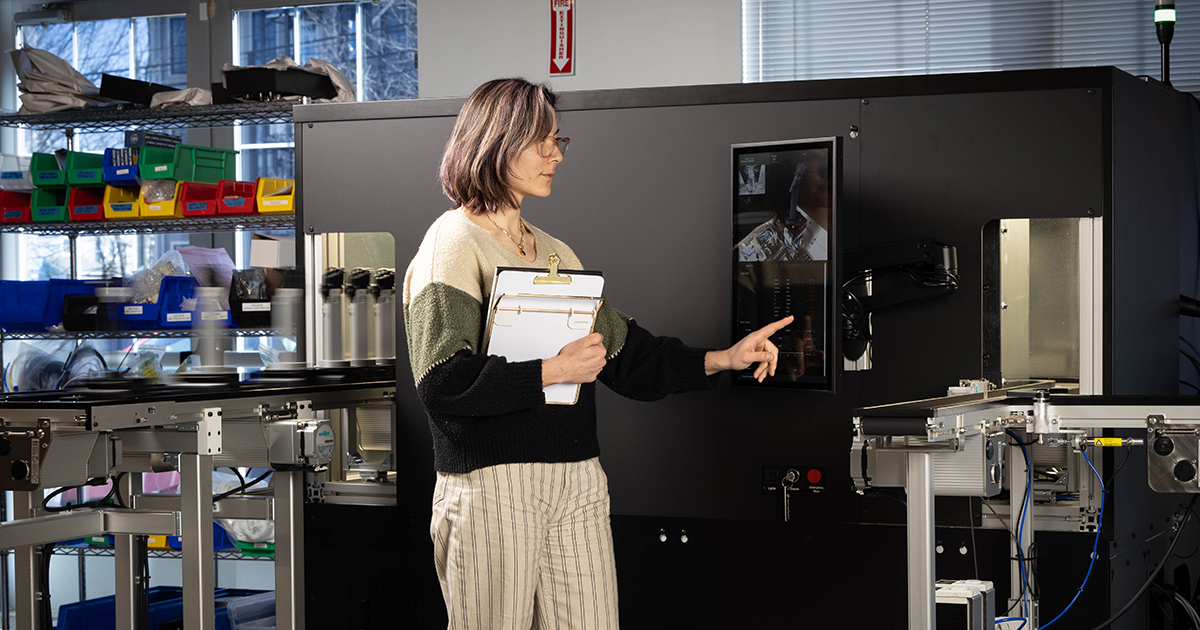
A quality assurance engineer operates Lumafield’s Triton, a production-scale industrial CT scanner that ensures comprehensive inspection in a High-Mix Low-Volume manufacturing environment.
How industrial CT enables HMLV manufacturing

The demands of High-Mix Low-Volume manufacturing require a solution that meets all of these criteria—rigorous quality control, versatility, speed, cost-effectiveness, and data-driven insights. Industrial CT scanning emerges as the ideal technology to address these needs.

Industrial CT provides the precision required for thorough inspections, capable of revealing even the smallest internal and external defects. Versatile systems like the Neptune scanner can handle a wide range of materials and product types without extensive reconfiguration. The speed at which CT scans can be performed on high-throughput platforms like Triton ensures that quality control keeps pace with production demands, while the relatively lower cost of modern CT solutions makes this advanced technology accessible to manufacturers of all sizes.

Comprehensive 3D CT data can be viewed, analyzed, and shared in the browser-based Voyager software. Analysis workflows offer invaluable insights for process optimization, product development, and quality assurance, making industrial CT an essential tool in the HMLV manufacturing landscape. By integrating industrial CT scanning into their processes, manufacturers can overcome the challenges of HMLV production, ensuring high quality, efficiency, and profitability in even the most complex manufacturing environments.

Ready to learn more?
Resource
Article

What is High-Mix Low-Volume (HMLV) Manufacturing?

August 26, 2024
Resource

What is High-Mix Low-Volume (HMLV) Manufacturing?

High-Mix Low-Volume (HMLV) manufacturing is an approach gaining traction in industries where customization, flexibility, and speed are critical. Unlike traditional mass production, which focuses on producing large quantities of identical products, HMLV manufacturing emphasizes the production of small batches of varied products. This strategy is particularly valuable in sectors like aerospace, automotive, medical devices, and consumer electronics, where the demand for personalized or specialized components is high and growing all the time.

What is High-Mix Low-Volume (HMLV) manufacturing?

Let’s break down the two components of HMLV manufacturing:

  • High-Mix: A wide array of products or product variations are produced, often with different specifications, materials, or designs.
  • Low-Volume: Each product type is produced in small quantities, which can range from a few units to a few thousand.

This manufacturing strategy allows companies to meet diverse customer needs, respond quickly to market changes, and innovate rapidly. However, it also introduces significant challenges, particularly in terms of quality control, efficiency, and cost management.

Bauer’s MyBauer RE-AKT hockey helmet exemplifies HMLV manufacturing by combining personalized 3D-printed Digital Foam with traditional production methods for optimal safety and fit. Industrial CT can help ensure the quality and integrity of the intricate lattice structure and adjustment system
Examples of HMLV products

High-Mix Low-Volume (HMLV) manufacturing is particularly suited to industries where customization, precision, and rapid adaptability are essential. Below are a few examples of products that thrive in an HMLV environment:

  • ‍Luxury and high-performance automobiles: Luxury car manufacturers often offer a high degree of customization to meet the specific tastes and requirements of their customers. From custom interior finishes to specialized performance components, each vehicle may require a unique set of parts produced in low volumes. For example, custom exhaust systems, bespoke leather interiors, or limited-edition models are all produced using HMLV manufacturing techniques to ensure each vehicle meets the exact specifications desired by the buyer.
  • Aerospace components: The aerospace industry frequently relies on HMLV manufacturing for producing specialized components like turbine blades, avionics enclosures, and custom fasteners. These parts often require materials and processes that can handle extreme conditions and precise tolerances. Due to the low production volumes and the need for various customizations depending on the aircraft model or mission, HMLV is the go-to manufacturing approach for aerospace components.
This industrial CT scan of a broken turbine blade reveals internal fractures and stress points, providing invaluable insights into the failure mode. In High-Mix Low-Volume (HMLV) manufacturing, where turbine blades are often tailored to specific engine requirements, industrial CT scanning enables detailed root cause analysis by exposing hidden defects and material inconsistencies.
  • Consumer electronics: High-end consumer electronics, such as specialized audio equipment or limited-run gadgets, also benefit from HMLV manufacturing. These products often feature custom designs, materials, and functionalities that are tailored to niche markets. For example, a company might produce a limited batch of high-fidelity headphones with custom tuning options or materials based on customer orders. The ability to quickly adapt production to these varied specifications while maintaining high quality is key in this sector.
  • Sporting equipment: Athletic goods, such as custom-fit helmets, high-performance bicycles, or personalized golf clubs, exemplifies HMLV manufacturing. Companies like Bauer, for instance, create custom hockey helmets tailored to the unique measurements of each player’s head, ensuring optimal fit and safety. These products require a high degree of customization, with production processes that can adapt to varying specifications without compromising quality or efficiency.
  • Medical devices: Medical devices such as customized implants, surgical instruments, and prosthetics are prime examples of HMLV products. Each device often needs to be tailored to individual patient anatomy or specific medical requirements. For instance, dental implants are custom-made to fit a patient’s mouth precisely, requiring small production runs of varied sizes and shapes. The high degree of customization and the critical nature of these devices make HMLV manufacturing essential for ensuring both quality and adaptability.
This CT scan of a 3D-printed spinal implant showcases the intricate lattice structure critical for patient-specific medical devices. In the High-Mix Low-Volume (HMLV) production of personalized implants, each device is custom-designed to fit an individual’s anatomy. Industrial CT allows for non-destructive verification of the implant’s quality and functionality well ahead of the implant procedure.
HMLV manufacturing challenges
  1. Production complexity: High-Mix Low-Volume manufacturing involves frequent changeovers between different product setups. This creates significant complexity in managing the diverse range of products, each with unique specifications and requirements. The constant need for reconfiguration can lead to inefficiencies and delays, making it difficult to maintain a streamlined production process.
  2. Quality assurance: In HMLV environments, ensuring consistent quality across varied, small-batch productions is challenging. Traditional inspection methods often lack the precision and adaptability required to detect defects in products with complex geometries or diverse material compositions. This variability increases the risk of undetected flaws, potentially leading to higher rates of rework or product failure.
  3. Inventory management: Balancing inventory in HMLV manufacturing is particularly difficult due to the need for a wide array of components, each required in small quantities. Overstocking leads to higher costs and wasted resources, while understocking can cause production delays. Managing this delicate balance without compromising efficiency is a persistent challenge.
  4. Cost constraints: Economies of scale are less accessible in low-volume production, leading to higher per-unit costs. Manufacturers must find ways to optimize their processes to maintain cost efficiency without compromising quality or speed. This is especially challenging when producing highly customized products in small batches.
Dental aligners provide excellent examples of HMLV manufacturing, as each aligner is custom-made to fit an individual’s unique dental structure. Industrial CT streamlines this process by capturing detailed digital models from physical impressions, ensuring accurate treatment planning and precision in 3D printing. 
Overcoming the challenges of HMLV
  1. Streamlined process adaptability: To handle the complexity of HMLV production, manufacturers need tools that facilitate quick and efficient changeovers. These tools should allow for seamless transitions between different product setups, reducing downtime and maintaining the flow of production. Flexibility in manufacturing equipment and software is crucial to managing the diverse product mix without sacrificing efficiency.
  2. Precision inspection capabilities: Given the challenge of maintaining quality in a variable production environment, manufacturers must employ inspection methods that offer high precision and can accommodate a wide range of product types. These tools should be capable of detecting internal and external defects in even the most complex geometries, ensuring that every product meets rigorous quality standards, regardless of batch size.
  3. Inventory optimization solutions: Effective inventory management in HMLV manufacturing requires systems that can accurately predict component needs and streamline supply chain operations. Advanced software tools that integrate demand forecasting with real-time inventory tracking can help balance stock levels, minimizing both overstock and shortages while keeping production on schedule.
  4. Scalable cost management: To address the higher costs associated with low-volume production, manufacturers should leverage technologies that provide high value without the high price tag. These solutions need to offer the ability to perform detailed inspections and process optimizations at a fraction of the traditional cost, enabling manufacturers to maintain profitability even in small-scale operations.
  5. Comprehensive data utilization: Incorporating data-driven approaches into manufacturing processes allows for continuous monitoring and improvement. The ability to collect and analyze detailed production data enables manufacturers to optimize their processes, reduce waste, and enhance product quality over time. This proactive approach to data utilization helps in making informed decisions that drive long-term success.
A quality assurance engineer operates Lumafield’s Triton, a production-scale industrial CT scanner that ensures comprehensive inspection in a High-Mix Low-Volume manufacturing environment.
How industrial CT enables HMLV manufacturing

The demands of High-Mix Low-Volume manufacturing require a solution that meets all of these criteria—rigorous quality control, versatility, speed, cost-effectiveness, and data-driven insights. Industrial CT scanning emerges as the ideal technology to address these needs.

Industrial CT provides the precision required for thorough inspections, capable of revealing even the smallest internal and external defects. Versatile systems like the Neptune scanner can handle a wide range of materials and product types without extensive reconfiguration. The speed at which CT scans can be performed on high-throughput platforms like Triton ensures that quality control keeps pace with production demands, while the relatively lower cost of modern CT solutions makes this advanced technology accessible to manufacturers of all sizes.

Comprehensive 3D CT data can be viewed, analyzed, and shared in the browser-based Voyager software. Analysis workflows offer invaluable insights for process optimization, product development, and quality assurance, making industrial CT an essential tool in the HMLV manufacturing landscape. By integrating industrial CT scanning into their processes, manufacturers can overcome the challenges of HMLV production, ensuring high quality, efficiency, and profitability in even the most complex manufacturing environments.

Ready to learn more?
Voyager Inspection Workflows
Introduction to Voyager
Introduction to Neptune
Introduction to Industrial CT
Advancing Automotive Inspection: Industrial CT for Better Outcomes
Introducing Neptune Performance and Triton Performance
Manufacturers Know Quality Costs Money. Most Don't Know How Much.
The Real Cost of a Product Recall and How to Prevent One
What Industrial CT Scanning Does for Manufacturing Quality
Next-Generation Drones: Protecting Performance with Industrial CT
Explore more posts
メインコンテンツへスキップ
New Performance scanners are here >
プラットフォーム
分野別ソリューション
すべての業界
バッテリー
医療機器
消費財
スポーツ用品
自動車
航空宇宙/防衛
農業と食品
電子機器
用途別アプリケーション
各種資料
技術資料
ケーススタディ
オンラインセミナー
Blog
Insights from lumafield
Go/No-Go
Manufacturing podcast
First Article
Editorial Publication
企業情報
会社概要
採用情報
プレスリリース
Events
Voyager を起動
お問い合わせはこちら
メニュー
製品業界
業界
すべての業界
電子機器
医療機器
自動車
消費財
バッテリー
農業と食品
航空宇宙/防衛
スポーツ用品
[アプリケーション]
リソース
リソース
ホワイトペーパー
101
オンラインセミナー
最初の記事
Go/No-Go Podcast
First Article
会社
会社
について
採用情報
プレス
Events
セールスに問い合わせる
ボイジャーを起動
© 2000 Lumafield. All Rights Reserved.
世界の”ものづくり”を変える。
分野別ソリューション
バッテリー
医療機器
消費財
スポーツ用品
自動車
航空宇宙/防衛
農業と食品
電子機器
すべての業界
用途別アプリケーション
リバースエンジニアリング
ファースト・アーティクル・インスペクション (FAI)
品質保証と品質管理
寸法測定
故障解析
材料特性評価
欠陥検出
競合ベンチマークと分析
組み立て検証
設計検証と妥当性の確認
サプライヤー適格性評価
非破壊検査 (NDT)
すべてのアプリケーション
製品
ネプチューントリトンボイジャーアトラス
各種資料
学習コンテンツメディア技術資料ウェビナーオンラインセミナー初回CTスキャン分析ガイドケーススタディCT入門エンジニアブログ
企業情報
ログイン会社概要採用情報プレスリリースブログお問い合わせ

ニュースレターに登録する

info@lumafield.com
プライバシー情報セキュリティ導入サービス契約
© 2000 ルマフィールド。全著作権所有。